
July 31, 2026
For 31 years, Dorji Wangchuk has walked Bhutan’s forests with a responsibility that extends far beyond protecting trees and wildlife.
Now 56, he has spent more than two decades serving in Royal Manas National Park. To Dorji, being a ranger means serving both people and nature: helping communities access natural resources responsibly while safeguarding Bhutan’s forests, wildlife, and ecosystems for future generations.
But protecting nature is rarely simple.
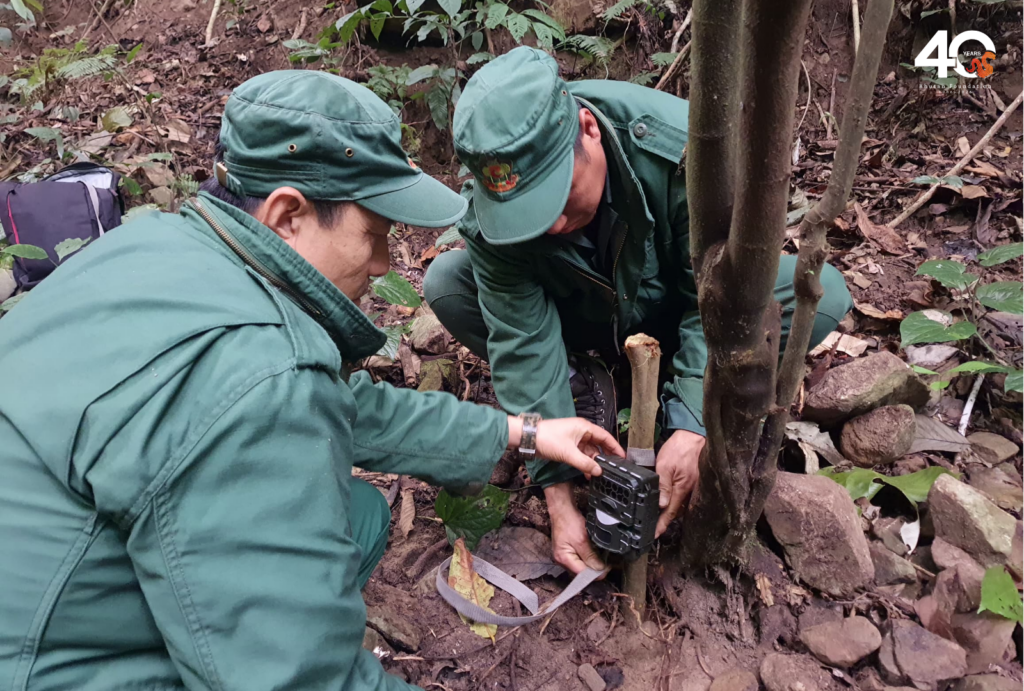
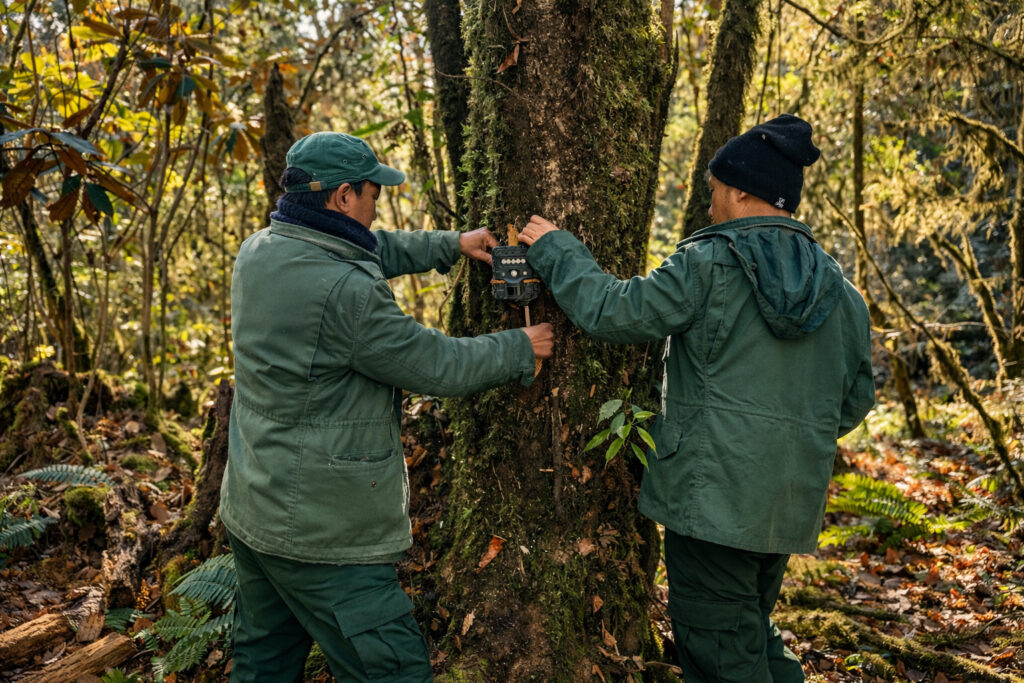
One of the greatest challenges Dorji faces is human-wildlife conflict, particularly encounters between elephants and communities. When wildlife enters villages, he worries about damaged crops, livestock, and the safety of families. At the same time, as a conservationist, he also worries about the animals themselves.
“Wild animals have fewer options than before,” Dorji explains. “Their feeding grounds, water sources, habitats, and traditional movement routes are changing.”
He believes coexistence begins with understanding the pressures faced by both communities and wildlife. Within the park, rangers are helping restore grasslands and waterholes so that animals can find food and water within their natural habitats rather than turning to nearby farms.
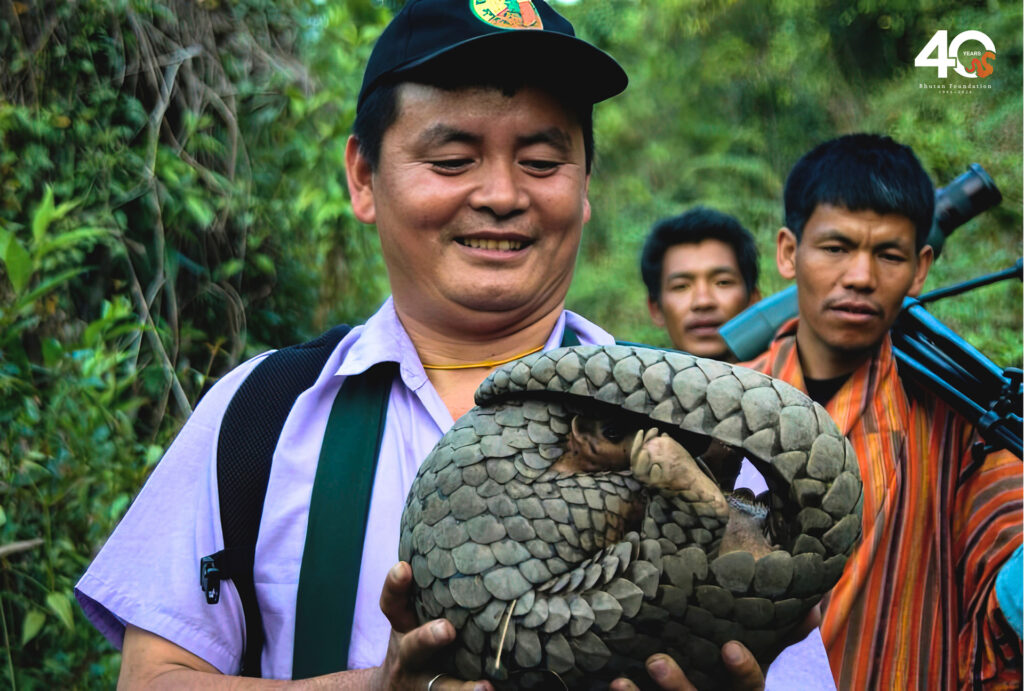
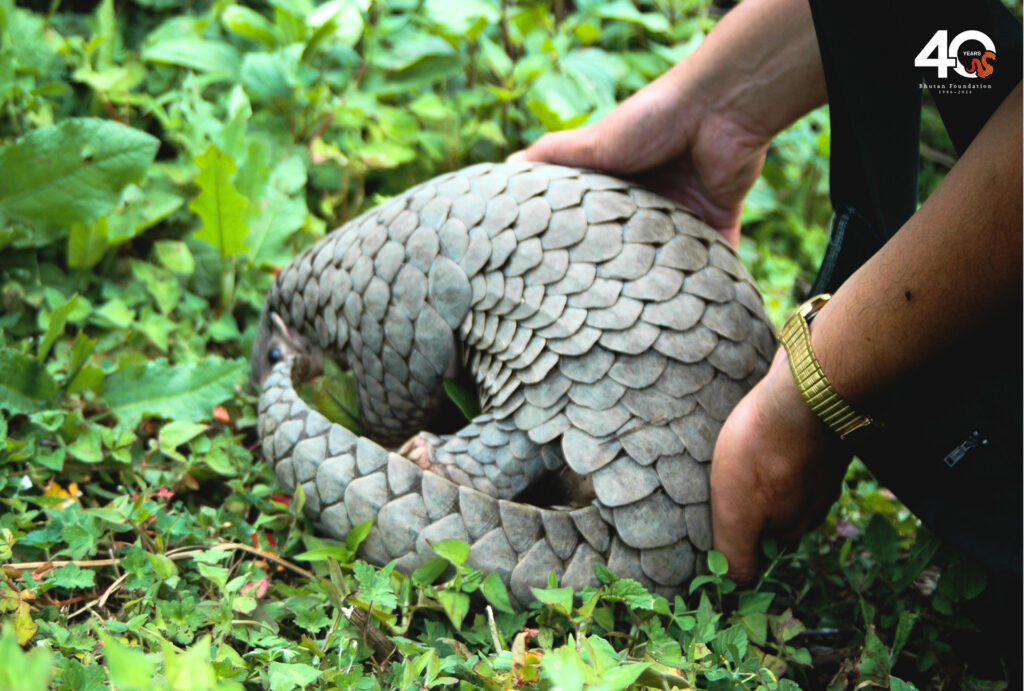
Among Dorji’s most memorable experiences was an encounter with a pangolin in Gongphu village, Zhemgang.
Local residents had captured the unfamiliar animal because they did not know what it was or whether it posed a danger. Dorji and his team arrived at the right moment.
They safely rescued the pangolin and explained that it was harmless to people and their livelihoods. They also shared how pangolins feed on ants and termites, quietly contributing to the health of the forest.
“I was so happy that we could rescue such a magnificent animal and release it back into its natural habitat,” Dorji recalls.

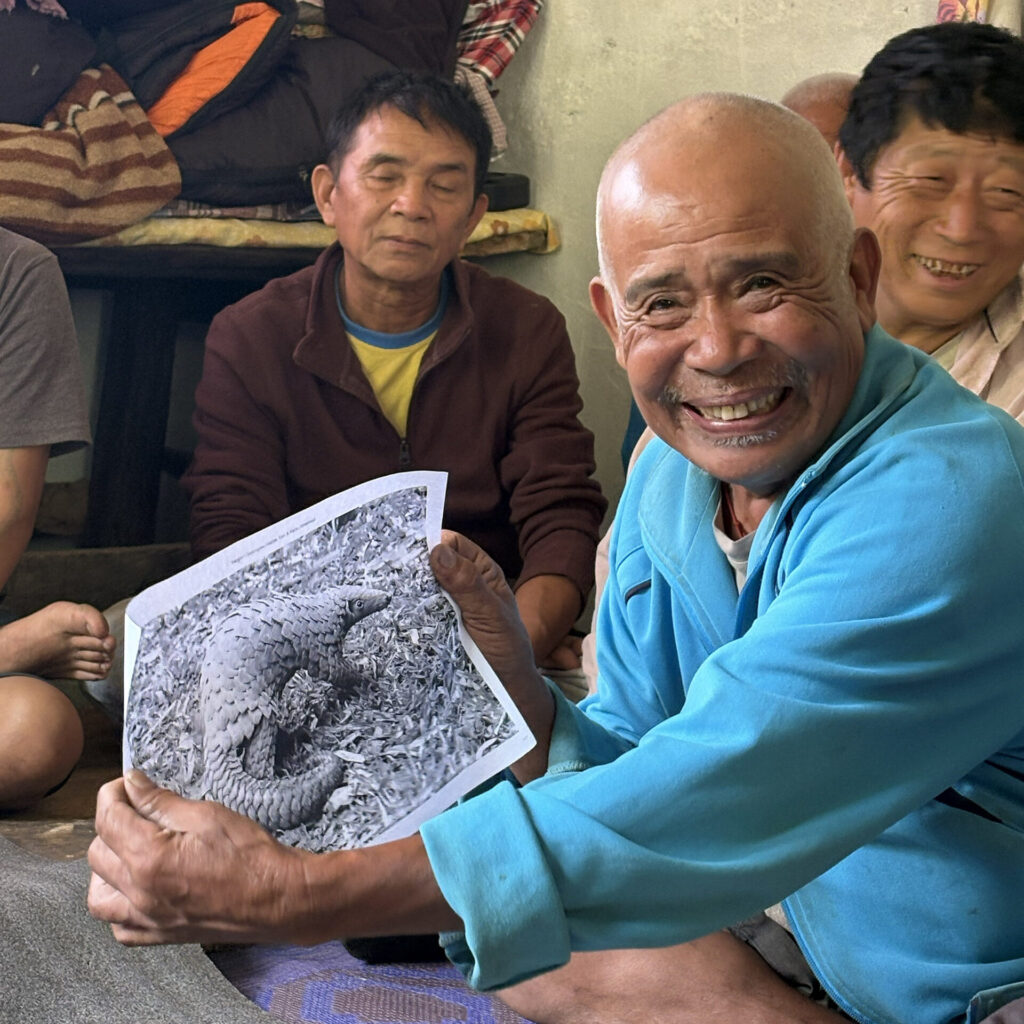
For him, the experience represented the true meaning of a ranger’s work: protecting wildlife while building trust and understanding within communities.
His message to the next generation of rangers is simple: never underestimate the value of consistent service.
Even when a patrol appears uneventful, the presence of a ranger may be preventing illegal activities and protecting an entire landscape.
“No effort is insignificant,” Dorji says. “A small effort on your part can make a much bigger difference to conservation.”
On World Ranger Day, Dorji’s story reminds us that conservation is built through thousands of quiet acts of courage, compassion, and commitment, carried out every day by rangers working on the frontlines.