January 6, 2026
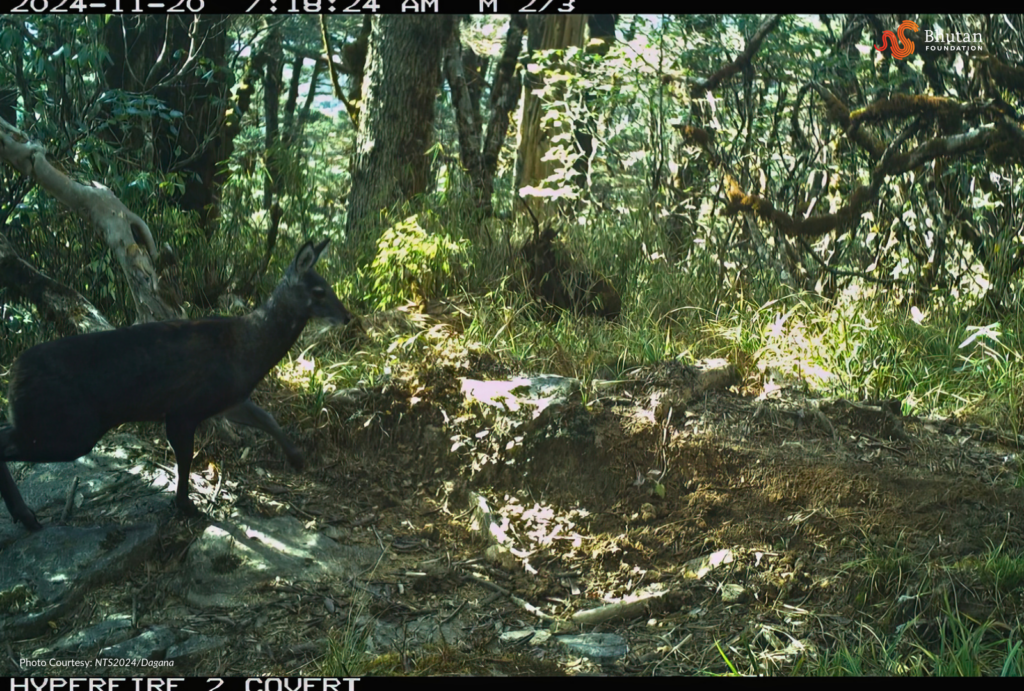
The fragile montane ecosystems of the Himalaya are home to unique assemblages of threatened flora and fauna, including the endangered musk deer (Moschus spp.). As a selective browser and a key prey species for apex predators such as the snow leopard (Panthera uncia), the musk deer plays a crucial role in shaping understory vegetation and maintaining trophic balance, thereby supporting overall ecosystem functioning. Despite its ecological importance and legal protection under Appendix I of the Convention on International Trade in Endangered Species of Wild Fauna and Flora (CITES) and Bhutan’s Forest and Nature Conservation Act (2023), the species remains poorly studied throughout its range.
Due to its elusive behavior, naturally low population densities, and the constraints of traditional survey methods that rely mainly on indirect signs, reliable spatial and statistical data on musk deer are limited. As a result, significant knowledge gaps remain concerning their occupancy, microhabitat preferences, predator interactions, and responses to human-induced pressures such as grazing, snaring, and habitat degradation.
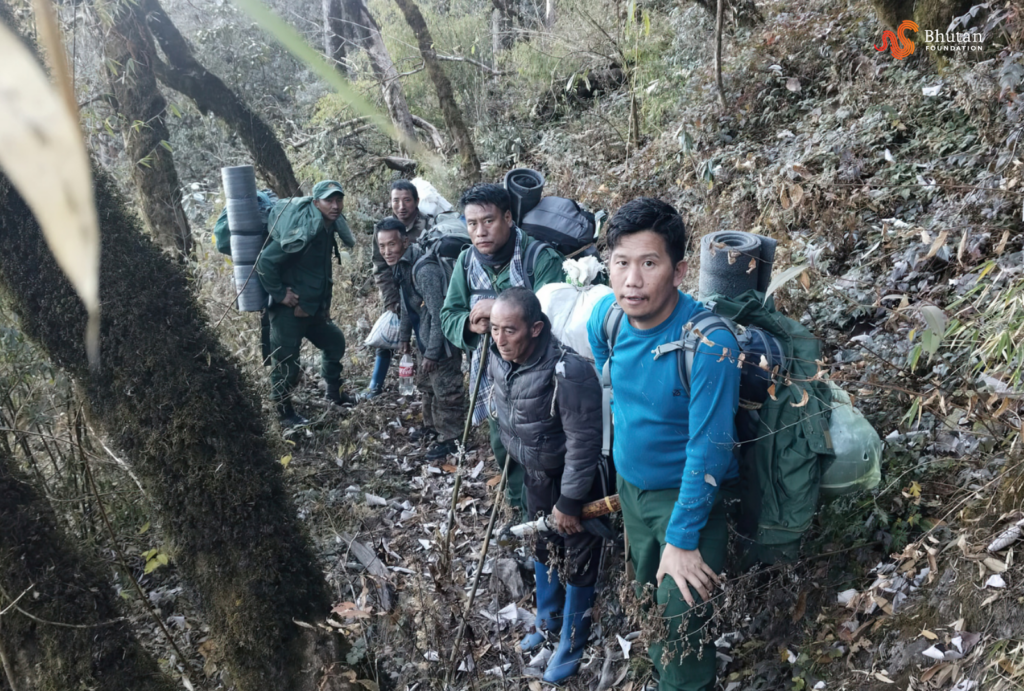
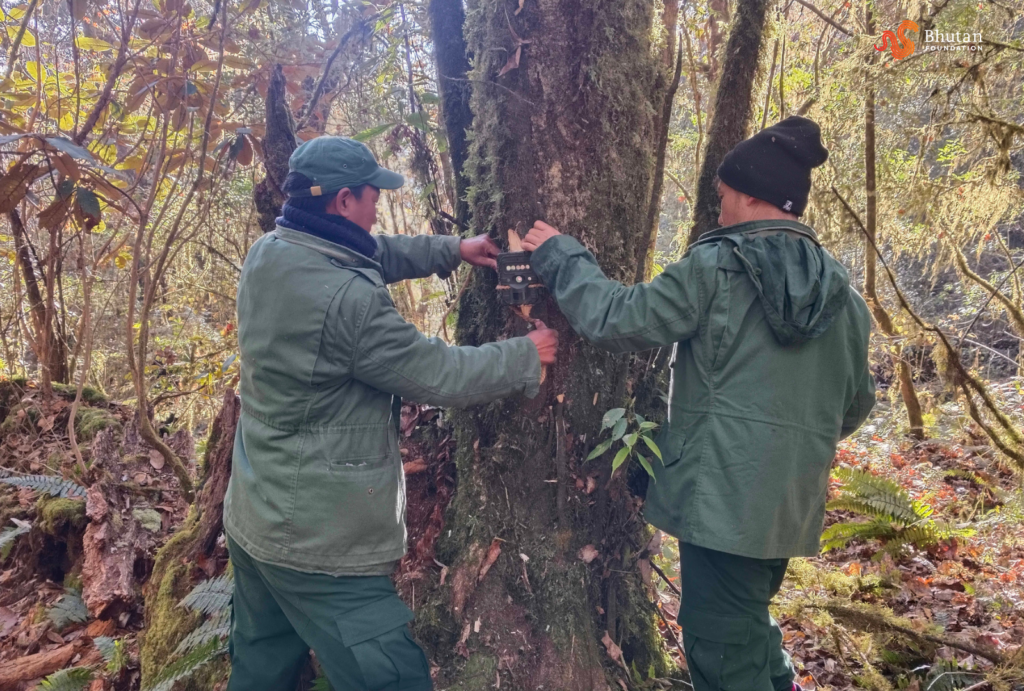
To address these knowledge gaps, Bhutan Foundation-Bruce Bunting Scholarship recipient Mr. Ugyen Tenzin, currently pursuing a Master of Science in Conservation Biology at the College of Natural Resources, Royal University of Bhutan, is undertaking field-based research in southeastern Dagala, Bhutan. His research employs non-invasive methods, including camera trapping and environmental DNA (eDNA) metabarcoding, to enhance the detection of elusive musk deer and their associated predators in challenging high-altitude landscapes.
His study aims to generate reliable scientific evidence on musk deer occupancy, habitat associations, predator interactions, and anthropogenic threats. The findings will contribute to identifying key habitats, conservation hotspots, and high-risk areas, thereby supporting knowledge generation and conservation initiatives of the Royal Government of Bhutan, including adaptive management and targeted anti-poaching efforts.
Bhutan Foundation extends our best wishes to Mr. Ugyen Tenzin for a successful fieldwork. The Foundation looks forward to the valuable insights this work will contribute toward conserving Bhutan’s high-altitude biodiversity.