January 9, 2026
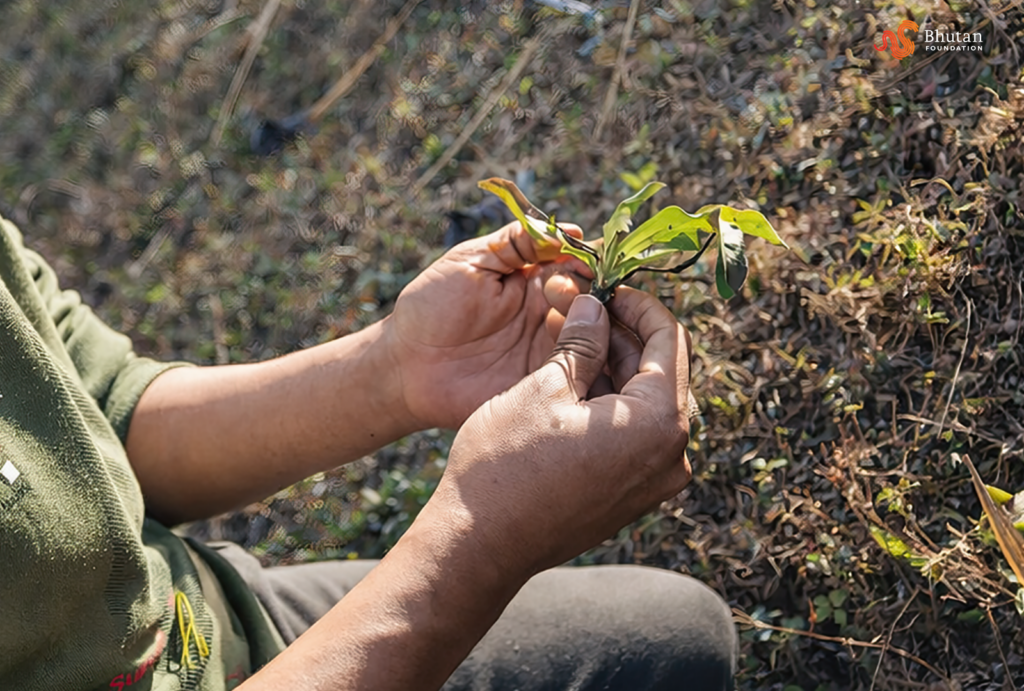
The temperate forests of the Himalayas are known to harbor unique assemblages of flora and fauna, including the threatened medicinal herb Swertia chirayita. Locally known in Bhutan as Ja-tig or Khalu, this “bitter gold” is one of the most important herbs in traditional Sowa Rigpa medicine and a vital source of income for rural communities. However, the survival of this species is under severe threat due to over-exploitation for international trade, combined with the plant’s naturally low germination rates and habitat loss.
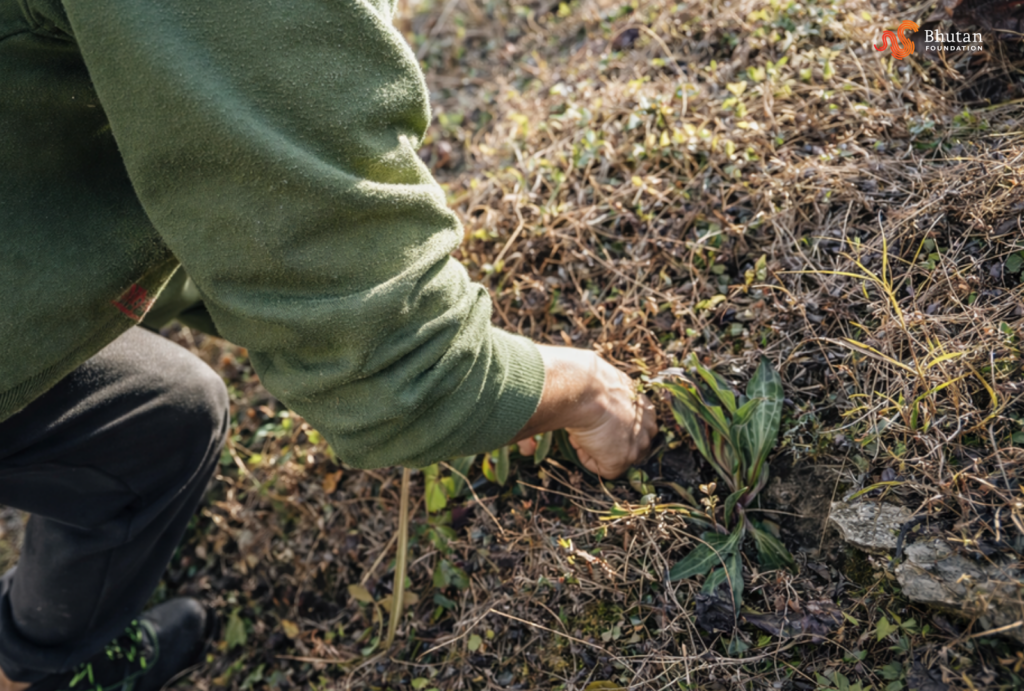
While current conservation efforts encourage community-based cultivation, the lack of high-quality, resilient seeds remains a major bottleneck. Traditional propagation methods often fail to meet the rising demand, leading to continued pressure on dwindling wild populations. To ensure the long-term survival of this species, scientific intervention that combines laboratory precision with field-based application is urgently required.
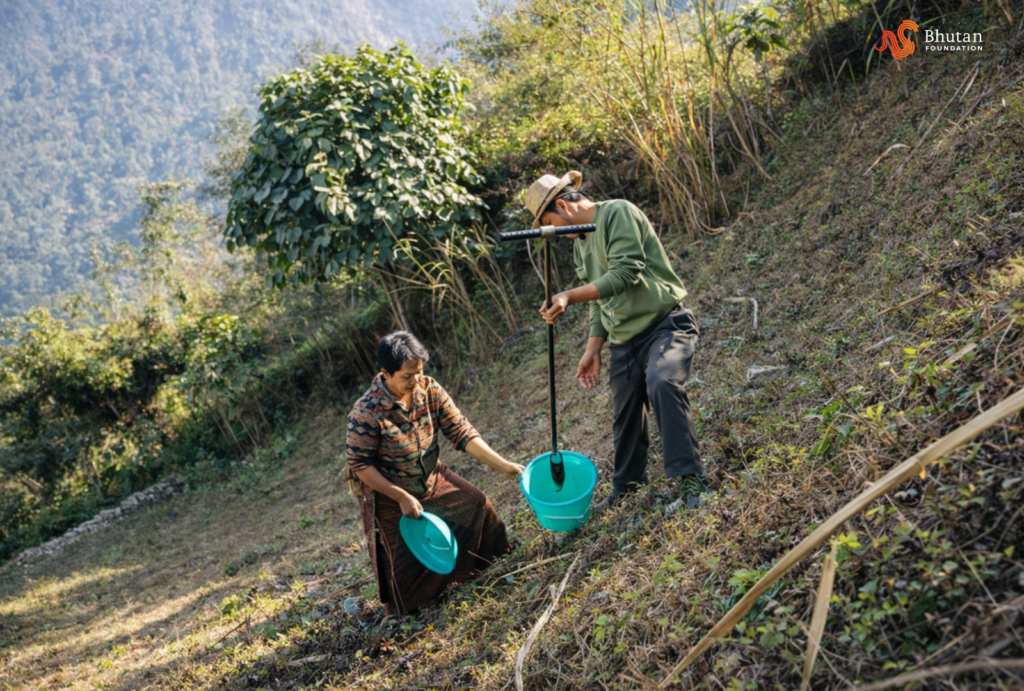
To address these critical conservation gaps, Mr. Pema Wangchuk, a recipient of the Bhutan Foundation’s Bruce Bunting Scholarship pursuing a Master of Science in Natural Resource Management at the College of Natural Resources, Royal University of Bhutan, is spearheading research into the micropropagation of Swertia chirayita. His study utilizes plant tissue culture technology to bypass the limitations of natural seed germination, allowing for the rapid multiplication of the species in a controlled environment.
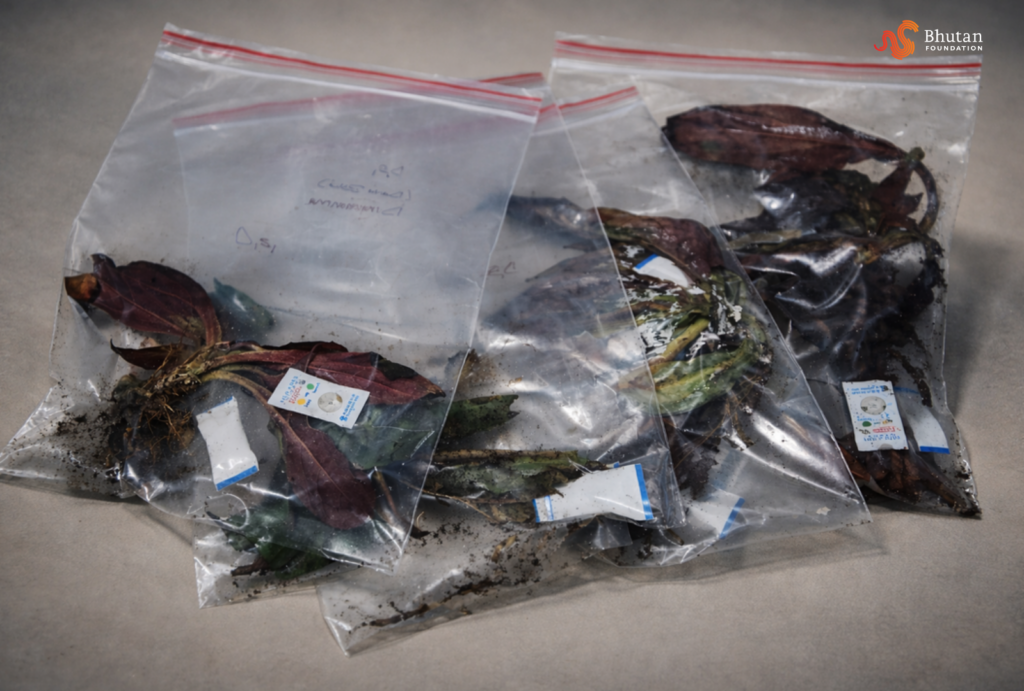
His findings will provide information necessary to develop an efficient micro-propagation protocol to support conservation and sustainable utilisation, while ensuring the genetic fidelity of propagated plantlets.Bhutan Foundation extends our best wishes to Mr. Pema Wangchuk for a successful fieldwork. The Foundation looks forward to the valuable insights this work will contribute toward the conservation and sustainable use of the threatened species Swertia chirayita in Bhutan.