
March 20, 2026
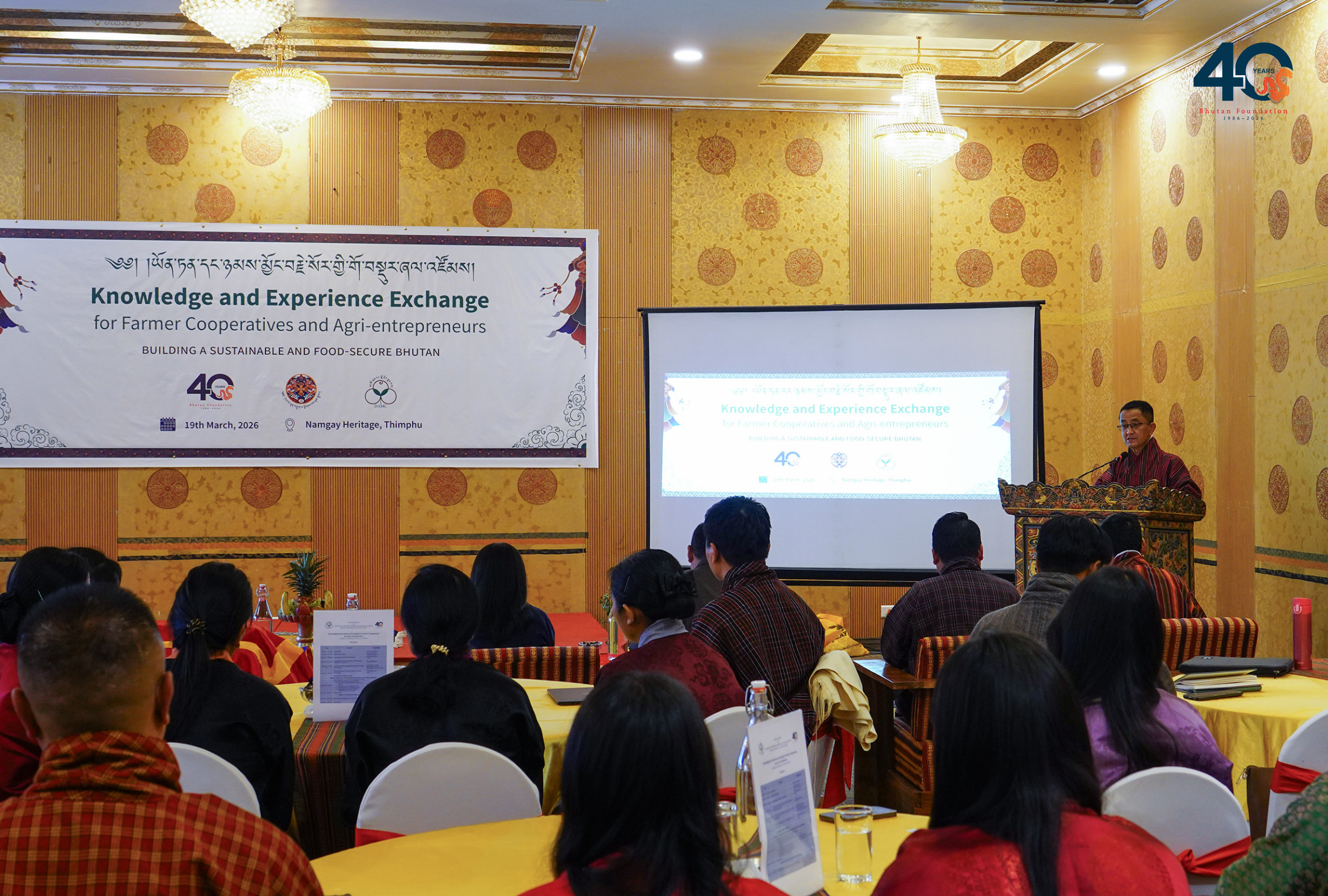
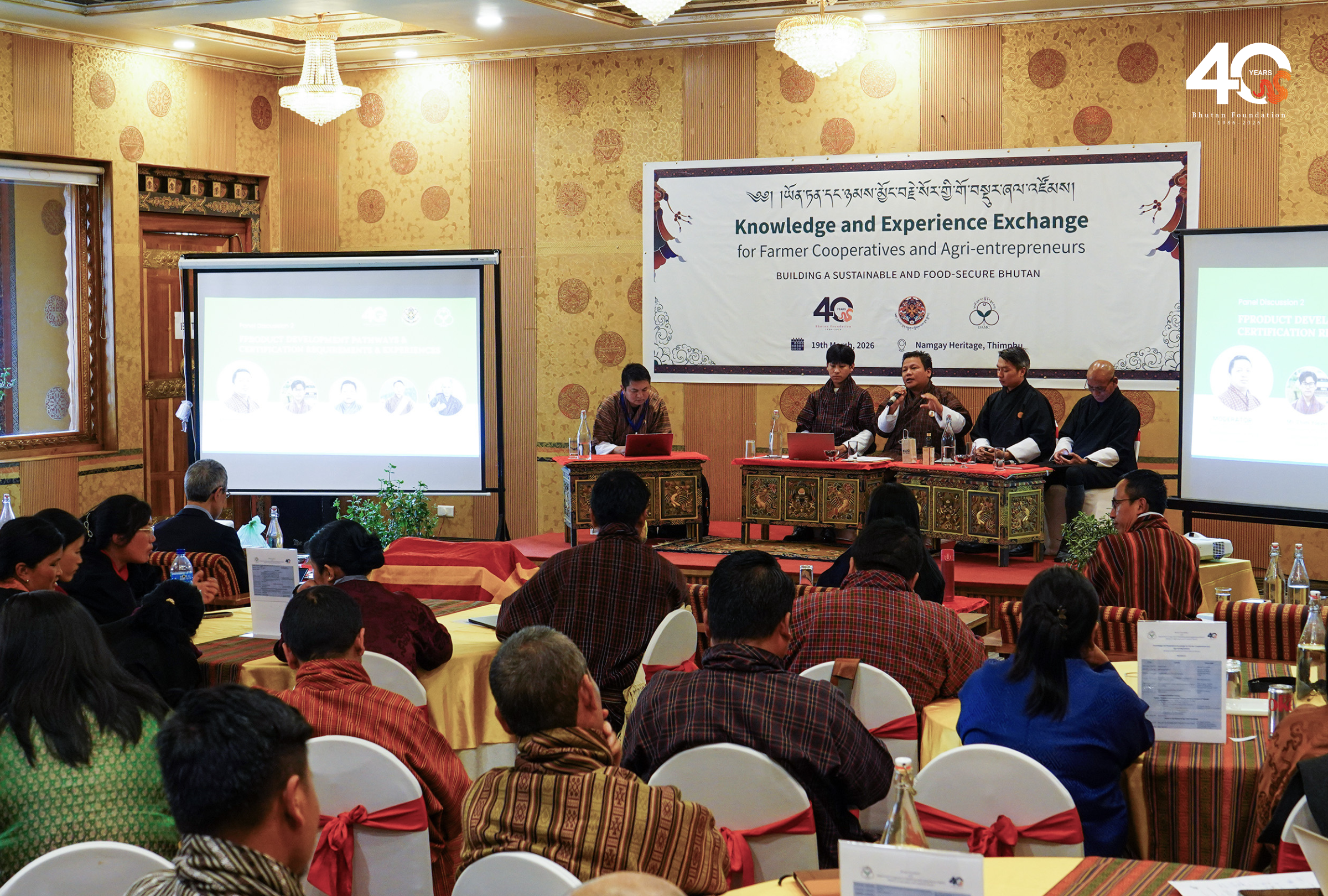
The Bhutan Foundation, in collaboration with the Department of Agricultural Marketing and Cooperatives (DAMC) under the Ministry of Agriculture and Livestock, convened a two-day workshop on Knowledge and Experience Exchange for Farmer Cooperatives and Agri-Entrepreneurs in Thimphu on 19–20 March 2026. Bringing together cooperative members, agri-entrepreneurs, government agencies, and development partners, the workshop created a shared space for dialogue, learning, and collaboration—focused on strengthening Bhutan’s food systems through innovation and community-driven solutions.
In his keynote address, the Honorable Secretary of the Ministry of Agriculture and Livestock underscored the vital role of cooperatives and community-based enterprises in advancing national food security and building resilient rural economies.
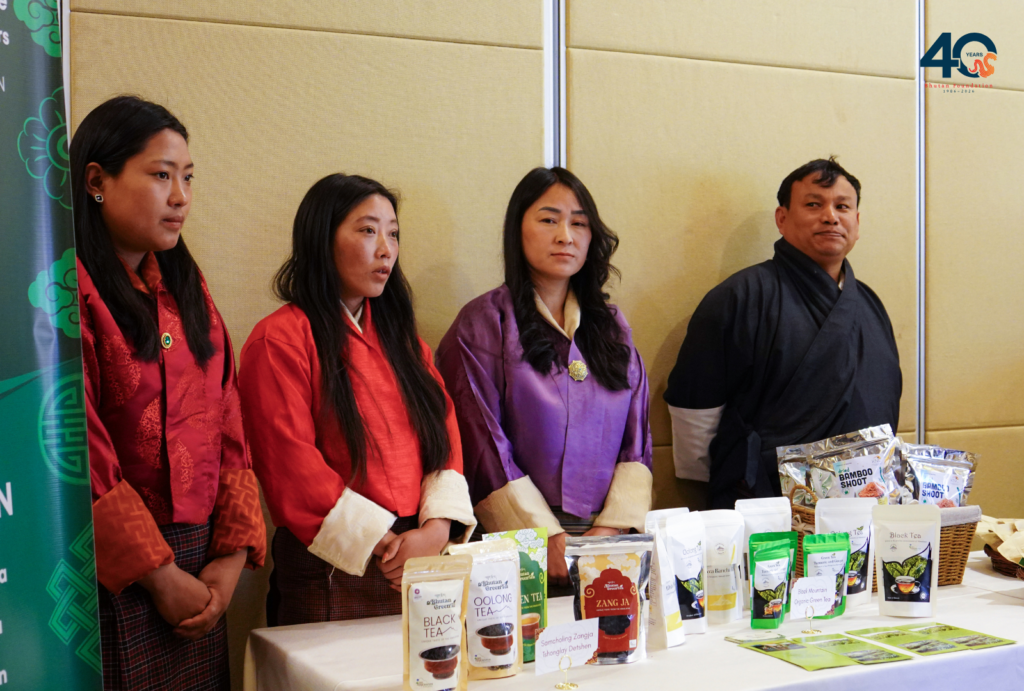
A product exhibition held alongside the sessions highlighted the diversity, quality, and innovation of products developed by cooperatives and small enterprises supported by the Bhutan Foundation. For many participants, it offered valuable exposure, sparked new market opportunities, and inspired them to scale their initiatives.

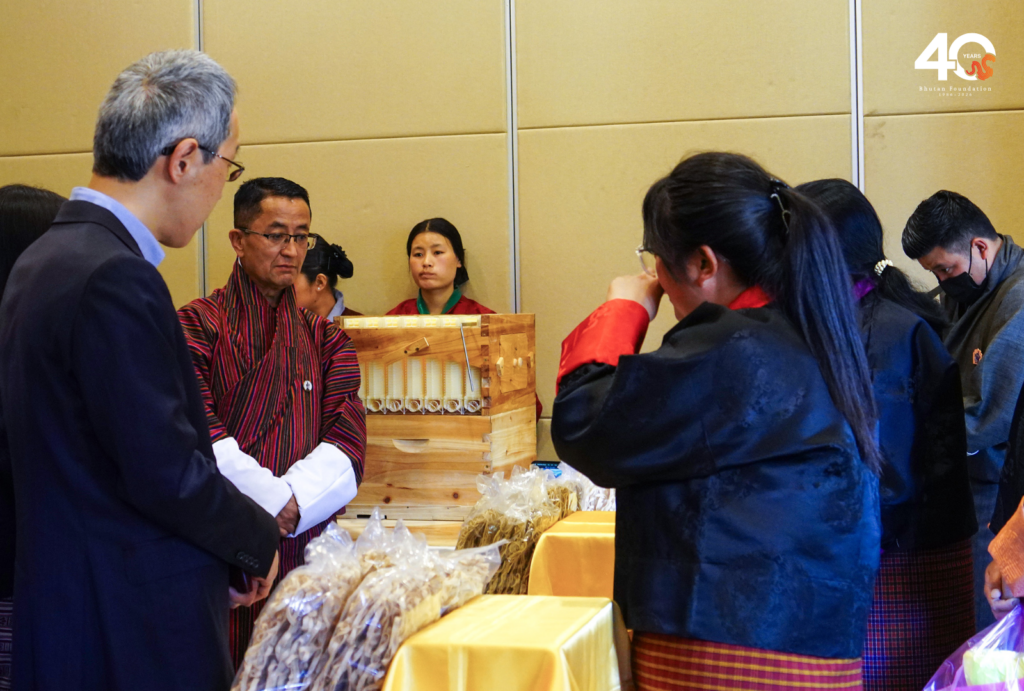
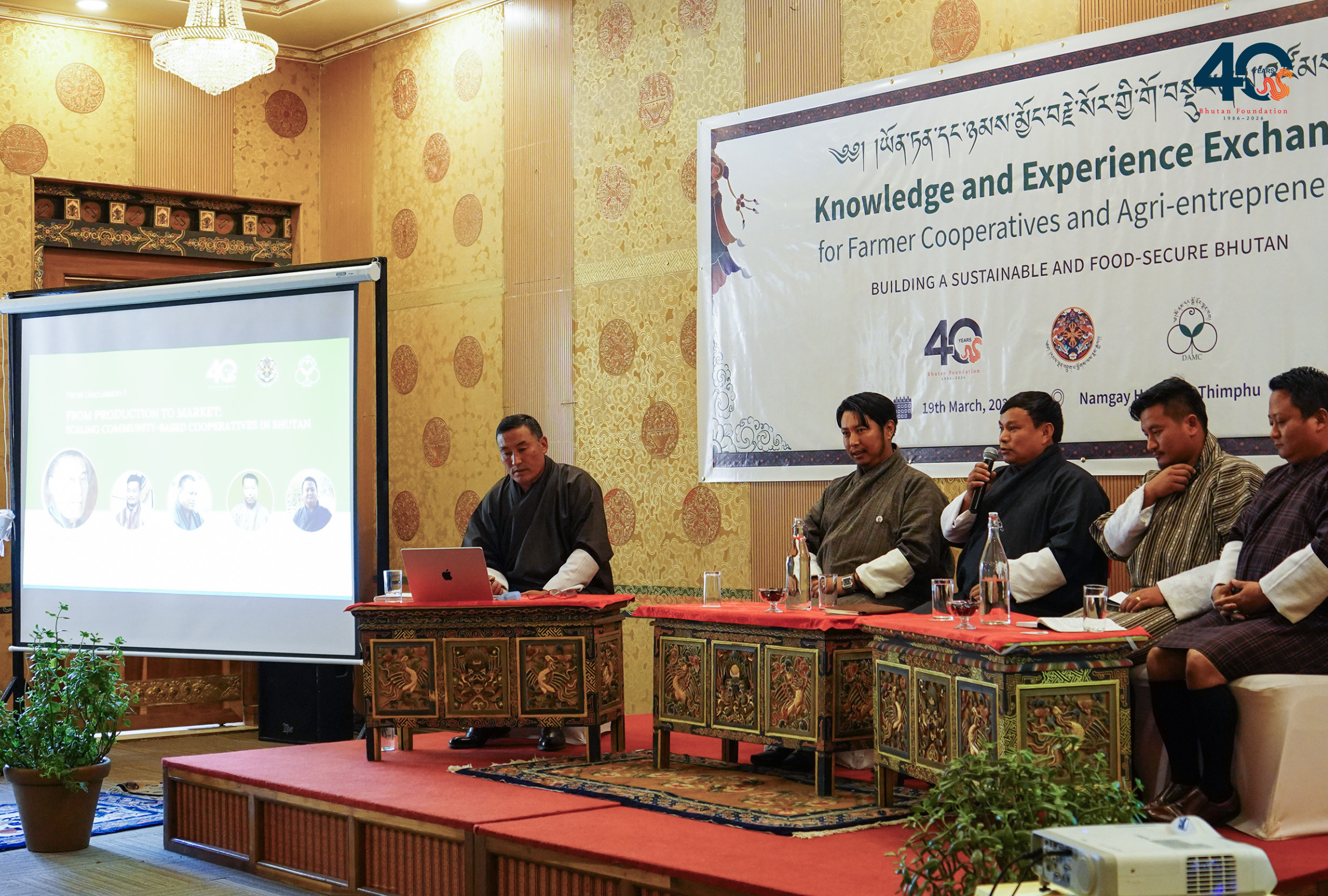
Discussions throughout the workshop addressed key challenges across the agri-food value chain, including limited market access, weak supply chains, and post-harvest losses. Experts shared practical solutions and emerging technologies to improve product quality, handling, and storage—equipping participants with tools they can directly apply.
“I am grateful to the Bhutan Foundation and DAMC for organizing this workshop. I learned about business practices and product marketing, including branding and packaging. I hope to apply these lessons and make our products more attractive and competitive.”
Ms. Lhamo Yangchen
Beethang Aumtsui Throetoen Detshen, Bumthang.Sessions on product development and certification further deepened participants’ understanding of regulatory requirements and quality standards, including Bhutan Good Agricultural Practices (Bhutan GAP), strengthening awareness of food safety and market readiness.
For Mr. Cheku Dorji of the Lhomon Society, the experience went beyond learning—it opened pathways to refine products, understand certification, and build connections to access larger markets with confidence.
The workshop also fostered meaningful connections, linking grassroots producers with experts, policymakers, and market actors—strengthening confidence to innovate, collaborate, and grow.
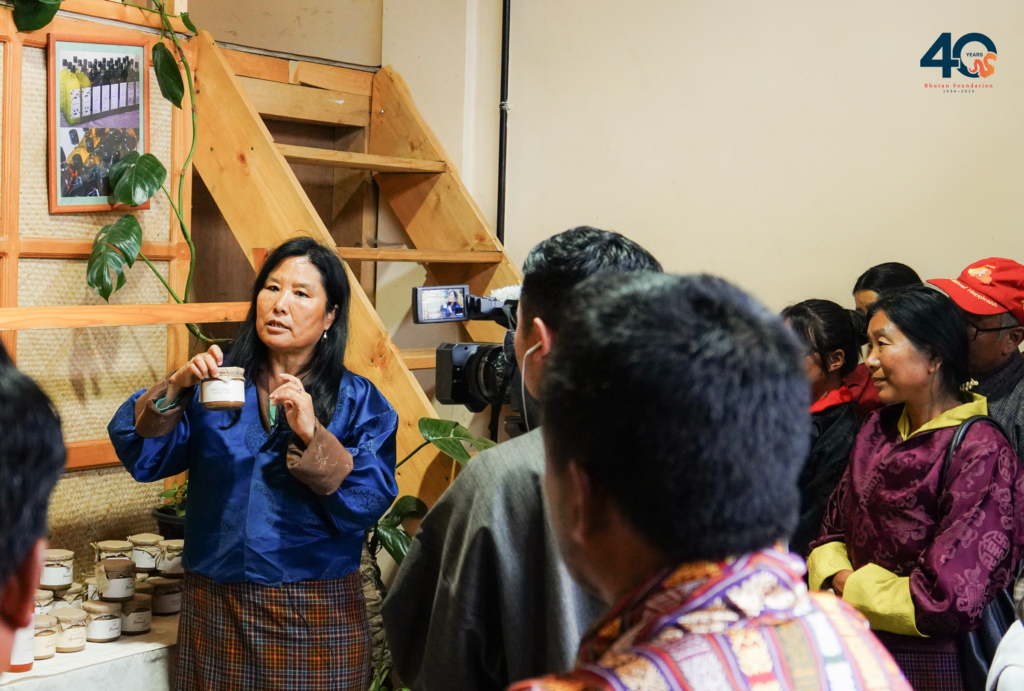
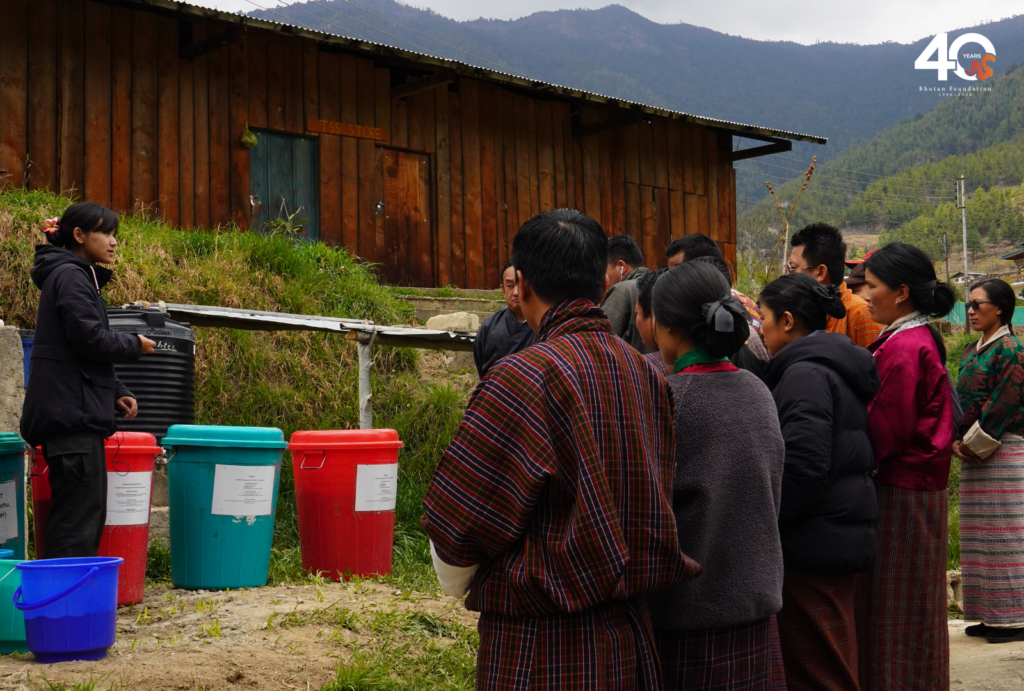
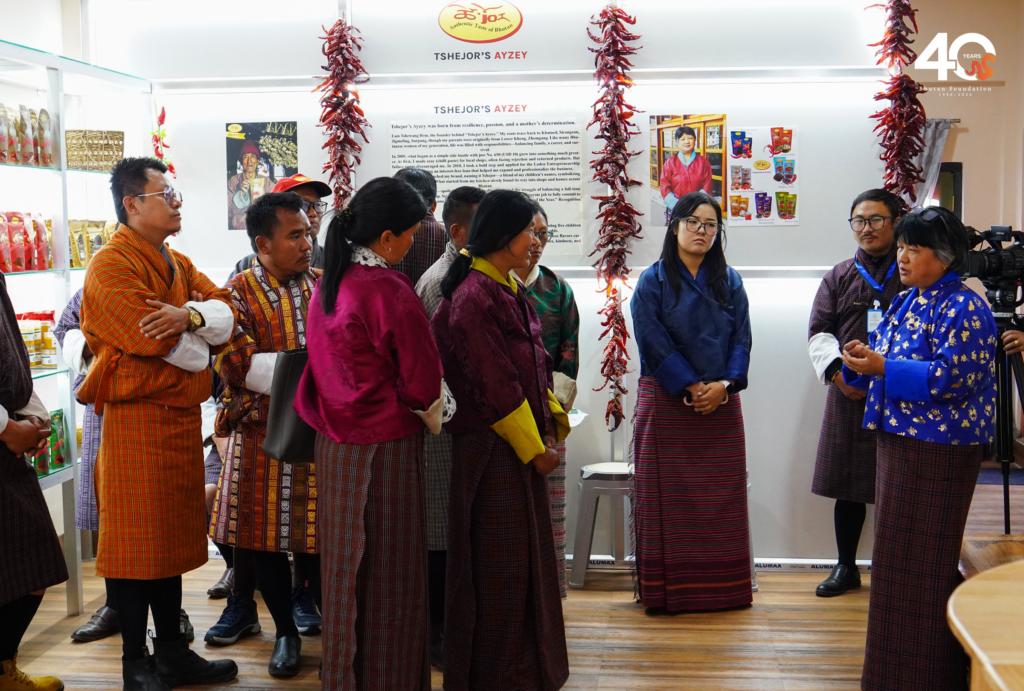
“I learned about the requirements and stages for organic certification, along with various organic farming initiatives. Such platforms are highly beneficial for cooperatives, and I hope for same opportunities in the future too.”
Mr. Jigme Phuntsho
Samjong Cooperative, Samdrup Jongkhar
For participants, the impact was tangible: improved knowledge of market systems, strengthened skills in post-harvest management and product development, and clearer pathways to new markets. It also reinforced the power of collective action through cooperatives to reduce risks and build sustainable livelihoods.
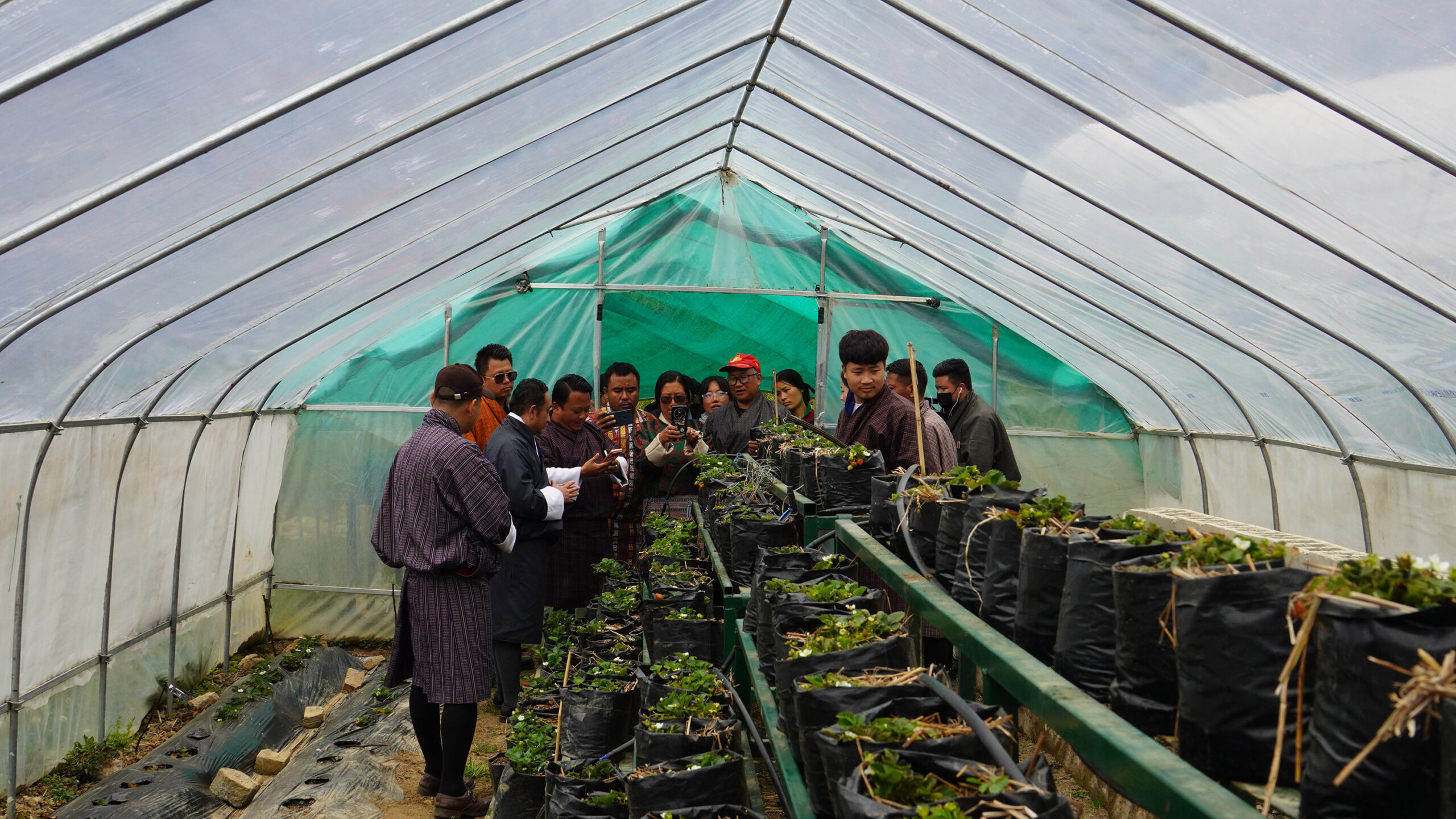
This initiative reflects the Bhutan Foundation’s broader commitment to supporting resilient and self-reliant communities. Through its food security efforts, the Foundation works closely with farmers, cooperatives, and youth groups to strengthen local food systems through capacity development, climate-resilient practices, and livelihood diversification.
As emphasized throughout the workshop, building a food-secure Bhutan requires strong collaboration. By investing in people, knowledge, and community-led enterprises, this initiative is helping shape a more resilient, productive, and inclusive agricultural future.