
August 5, 2026
Beauty, Resilience, and Hope in Bhutan’s Highlands
Many of the Bhutan Foundation’s programs reach communities far from roads, where people have lived closely with nature for generations. Through the Small Grants Program, we travelled to Gaytala in the Dagala highlands to learn about the challenges facing yak-herding families and explore community-led opportunities to strengthen livelihoods while sustaining their traditional way of life.
The Journey
It was still raining when we left Thimphu. By the time we reached the end of the road, the mountains had disappeared behind thick clouds. From there, we continued on foot towards Gaytala over wet and slippery ground, with no proper trail. At times, the mist was so dense that we stayed close together or called out to those ahead.
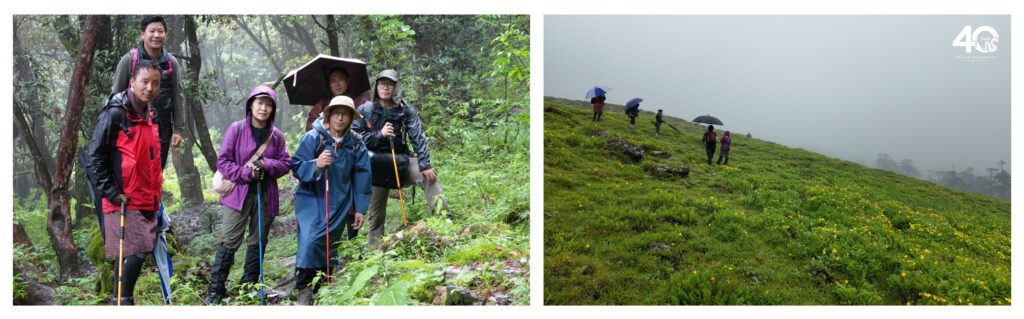
At our lunch stop, Gup Gado made an offering to Daga Jhom, the local mountain deity, praying for the rain to ease and for us to reach Gaytala safely. The ritual reflected the close relationship between nature, belief, and daily life in the highlands.
Dagala – A Living Pastoral Landscape
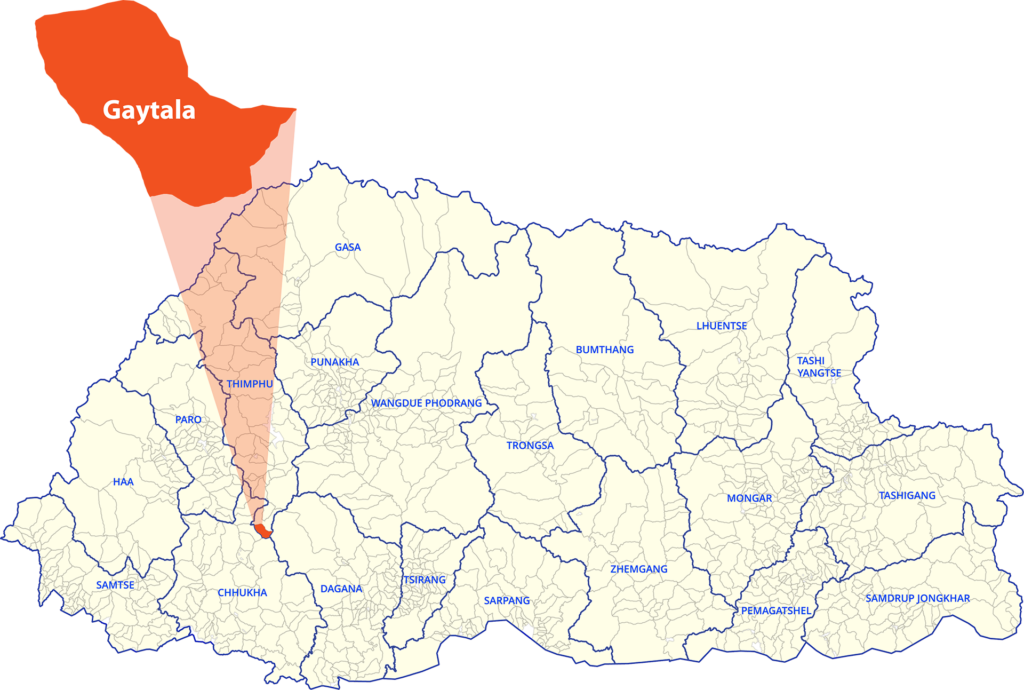
Gaytala, the last village in the Dagala range, lies at nearly 4,000 metres above sea level and is home to just eight households. The range forms a distinct ecological landscape between Thimphu, Chukha, and Dagana.
Unlike Bhutan’s northern highlands, which are often associated with cordyceps, Dagala remains a pastoral landscape shaped by generations of yak herding. Families continue a semi-nomadic way of life, moving between summer pastures and winter homes in Chamgang. Yaks remain central to their food, income, and traditions.
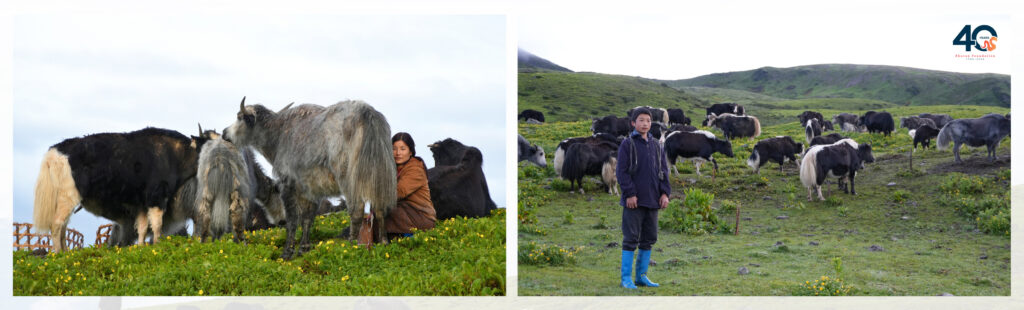
The Bhutan Foundation has supported neighboring communities to develop livelihoods through yak milk processing. During the visit, we explored whether similar opportunities could be extended to Gaytala and whether invasive plants could be used to make paper, baskets, and other crafts in partnership with the Youth Development Fund’s Design Academy.
The Challenges behind the Beautiful Landscape
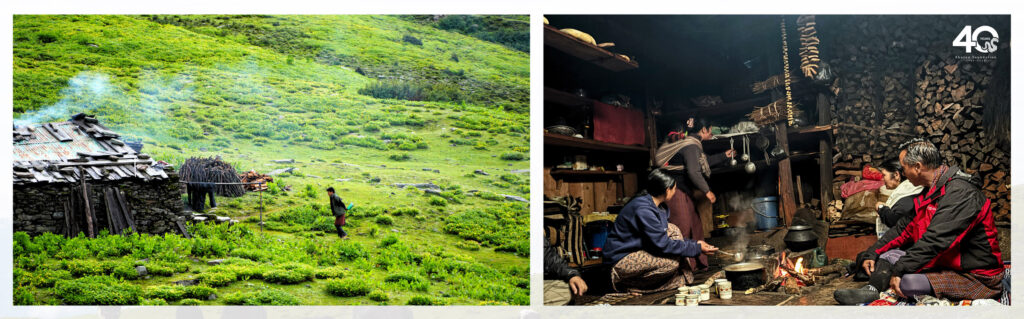
As we climbed higher, purple irises and yellow potentilla covered the hillsides. Then Gup Gado and Tshogpa Yangchen pointed across the pasture.
“These plants are our biggest problem,” they said.
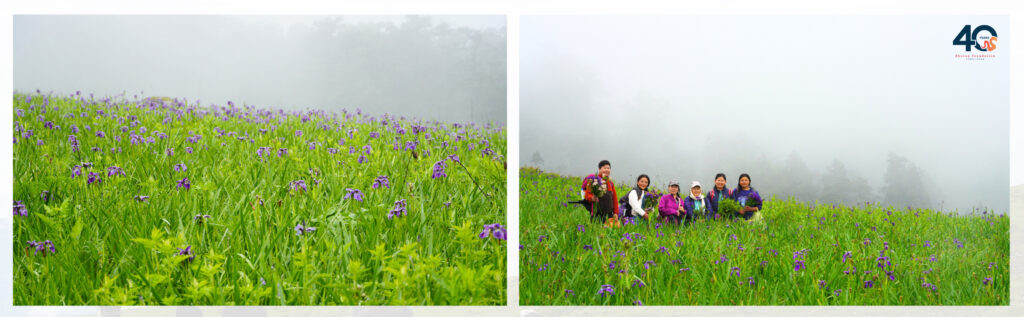
What appeared to be beautiful wildflowers were invasive species replacing the grasses that yaks depend on. As pastureland declines, herders are forced to take their animals higher into the mountains.
The community also faces changing weather, shrinking grazing areas, livestock disease, and wildlife predation. Yangchen, a young herder, shared that she had lost almost half her yaks during a disease outbreak in 2023. The livestock officer explained that lymphangitis, usually associated with warmer southern areas, had appeared in Dagala.
A Night in Gaytala
We reached Gaytala at nightfall and were welcomed by two neighbouring families. Although we had planned to stay for two nights, it soon became clear that accommodating our group placed considerable pressure on their limited space.
Each home consisted of a single room used for sleeping, cooking, milk processing, and daily activities. To make room for us, our host, Tashi, slept outside in a small tent with his two daughters and nephew. It was a generous gesture that reflected the warmth of our hosts.
Finding Solutions with the Community
By morning, the rain had cleared, revealing the surrounding mountains beneath a blue sky. Gup smiled and remarked that perhaps Daga Jhom had answered our prayers.
After exploring the nearby rangelands, we met with all eight households. Tshering from YDF shared samples of paper made from potentilla and baskets woven from iris fibres. The discussion soon turned to how the community could organise harvesting and transport materials to the processing facility being established in Chamgang with support from the Bhutan Foundation.
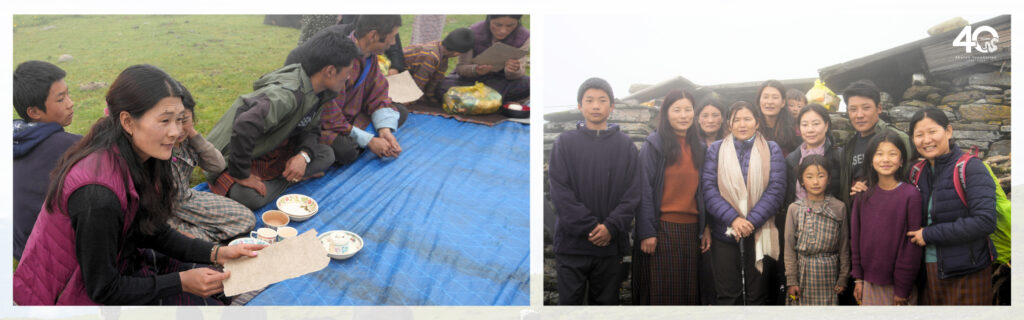
The community was eager to begin. They also spoke about life in Gaytala, where there is no road access or electricity and families continue to cook over open fires in small stone houses.
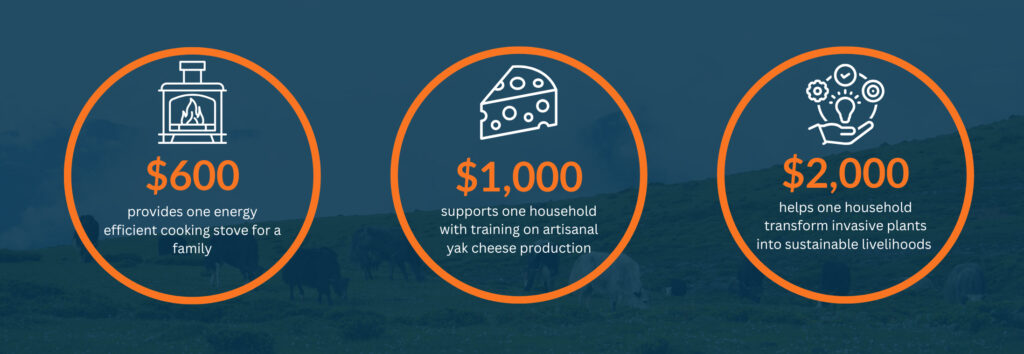
One request stood out: improved cookstoves similar to those being tested by ICIMOD in other highland communities. Using less firewood and producing less smoke, these stoves could help create cleaner homes, improve health, and reduce pressure on surrounding forests.
Reflections from Gaytala
As we walked back down the mountain, our understanding of Dagala had changed. We had arrived captivated by its mountains and wildflowers but left with a deeper appreciation of a pastoral landscape under pressure and a community seeking practical ways to adapt.
The visit reaffirmed the importance of listening to communities and working alongside them to strengthen livelihoods while sustaining the way of life they value.
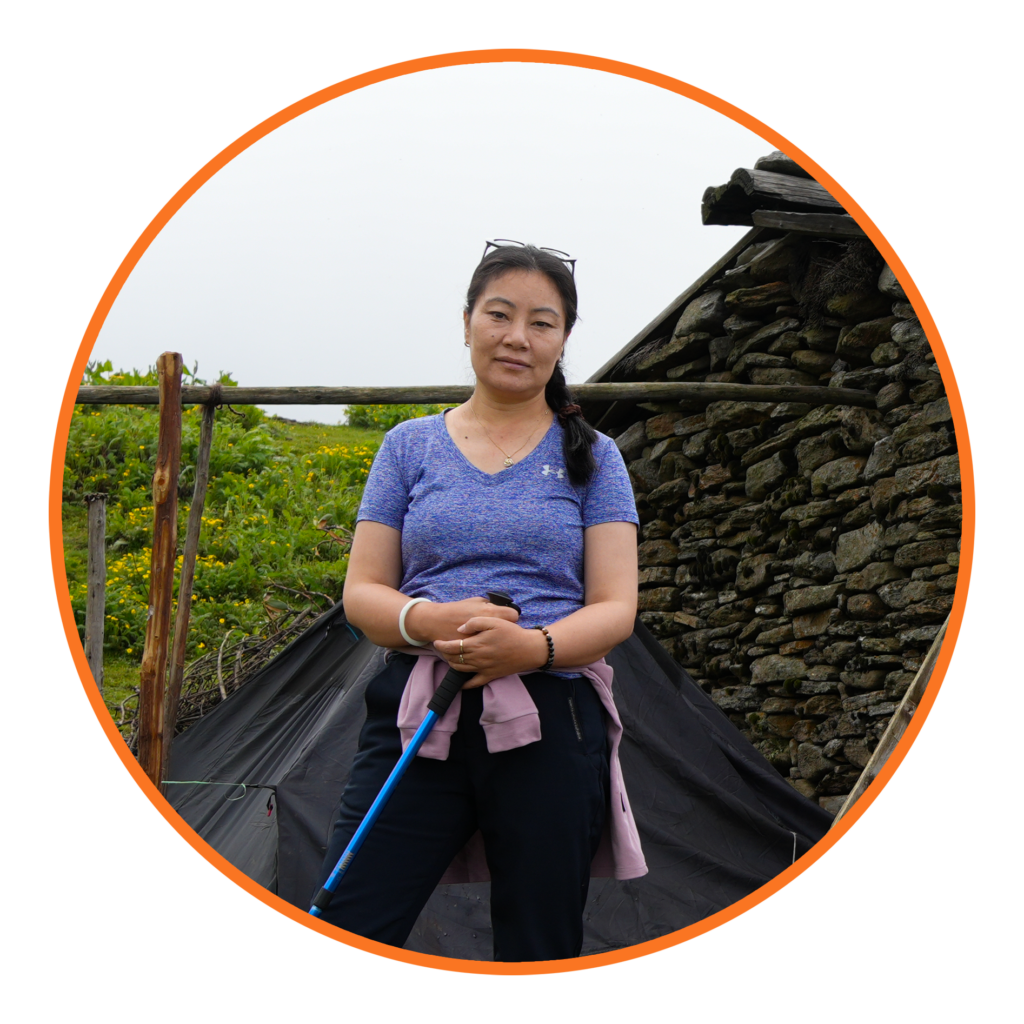
Norbu Dema
Country Director
Bhutan Foundation
How You Can Support
Why Your Gift Matters
We support communities like this through our Small Grants Program which have extraordinary impact. Even a small gift can make a big difference.
Our Field Notes in Video
We are happy to share an inspiring video from our trip to Gaytala.