
March 18, 2026
In Bhutan, rural life has long been shaped by smallholder farming—where families depend on the land, their livestock, and generations of knowledge to sustain their livelihoods. These mixed farming systems, rooted in tradition, continue to nourish communities and preserve a way of life deeply connected to nature.
As demand for livestock-based food grows, the Royal Government of Bhutan, through the 13th Five-Year Plan, is advancing efforts to strengthen climate-smart dairy farming—enhancing productivity while safeguarding the resilience of rural communities.
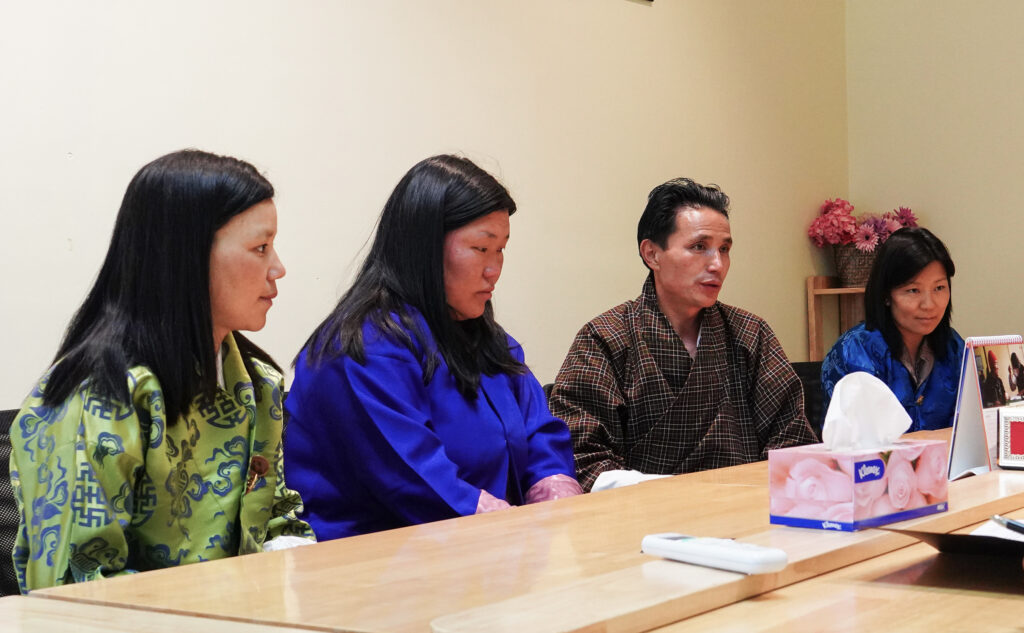
In Gogona under Gangtey Gewog, Wangdue Phodrang, dairy farming carries a legacy of its own. First introduced in the 1970s under royal command with international support, the initiative once transformed pasturelands, improved cattle breeds, and built a thriving dairy system. Though the sector declined in the 1990s, the community revived it in 2004 by forming a dairy cooperative—reclaiming both tradition and opportunity.
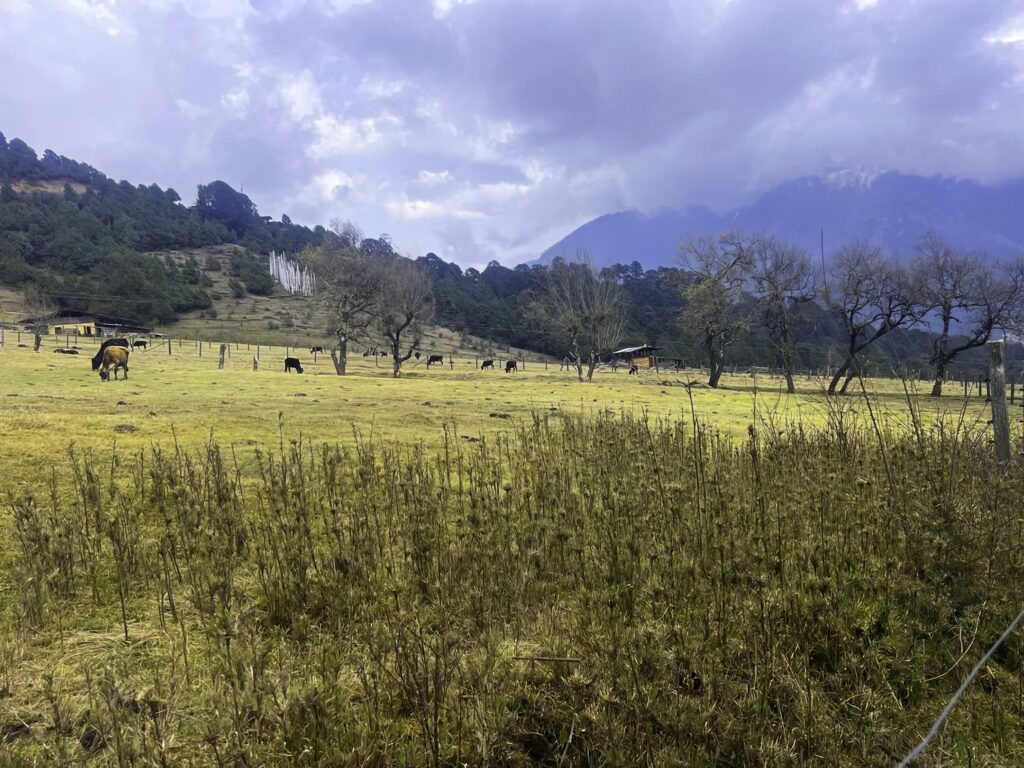
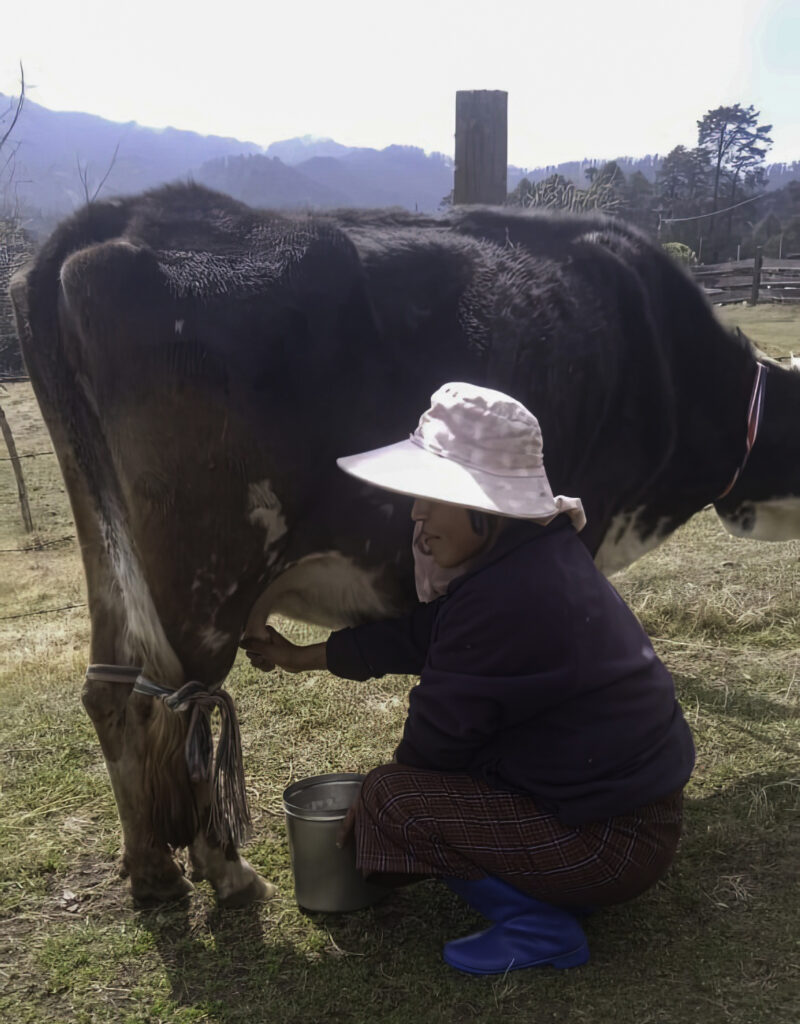
Today, the cooperative brings together 23 members managing over 400 cattle. Largely led by women, it stands as a vital source of income and resilience for the community.
Yet this progress is under threat.
With limited land, farmers depend on 135 acres of leased pasture. Years of overgrazing, poor pasture management, and the spread of invasive, non-nutritive weeds have degraded nearly 90% of this land. As fodder becomes scarce—especially during winter—milk production declines, costs rise, and families are forced to rely increasingly on nearby forests to sustain their livestock.
In response, the Bhutan Foundation is partnering with the Gogona dairy cooperative to restore both the pasturelands and livelihoods.
Through this initiative, degraded pasturelands will be rehabilitated through weed eradication, reseeding with improved fodder species, and soil and moisture conservation measures. At the same time, farmers will be supported with the knowledge and skills needed for sustainable pasture management, effective grazing practices, and long-term ecological stewardship.
Implemented by the cooperative with technical support from the District Livestock Sector and the National Development Centre for Animal Nutrition (NDCAN), this effort represents more than an agricultural intervention—it is an investment in people, in community resilience, and in the future of rural Bhutan.
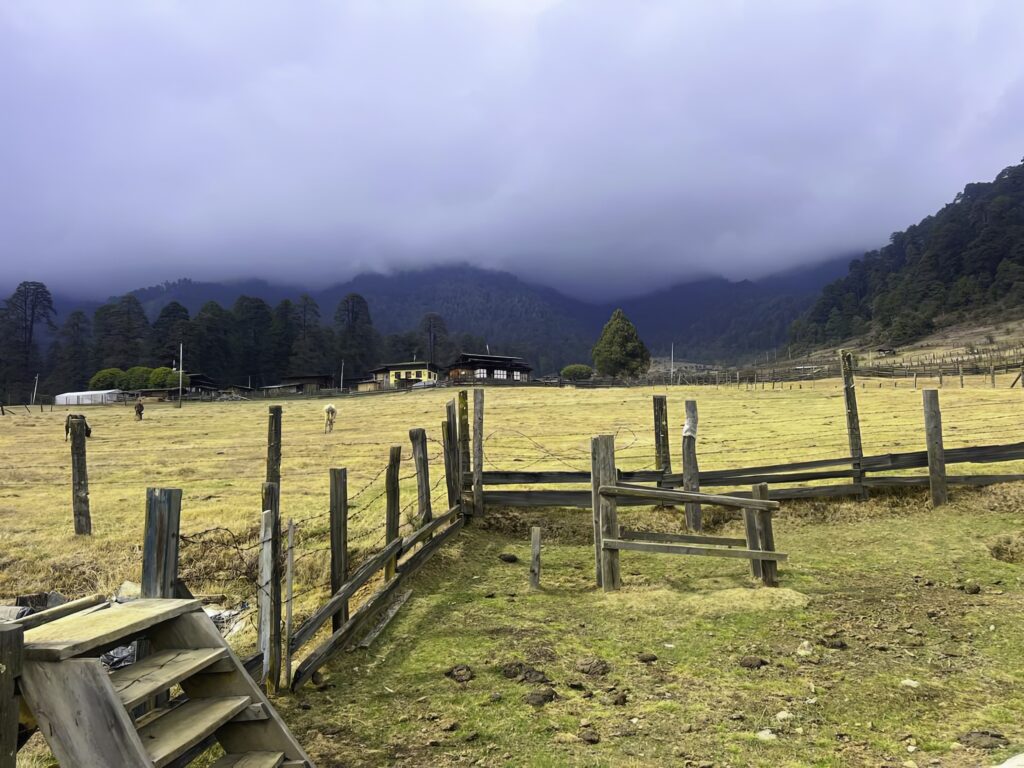
By restoring pastures, we are restoring productivity. By strengthening practices, we are strengthening livelihoods. And by working together, we are ensuring that communities like Gogona continue to thrive for generations to come.