


Snow Leopard Conservation

To support the people of Bhutan to reach their full potential by developing local capacity and facilitating global support.

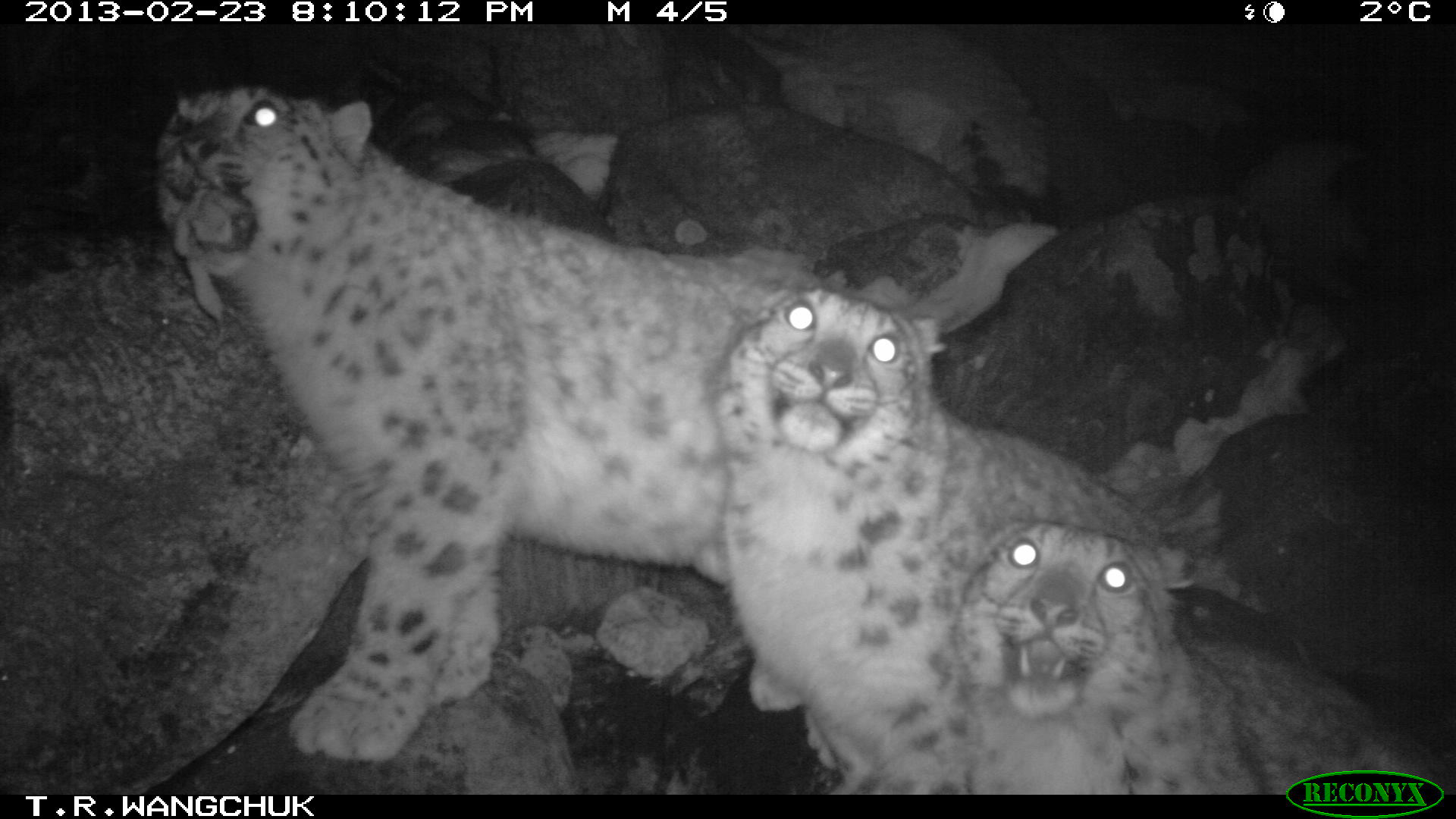
The Jomolhari Trek, an important leg of the famous Snowman Trek, is one of the most popular trekking routes in Bhutan and passes through prime snow leopard and blue sheep habitat. Numerous camera-trap photos, signs, and DNA sampling from the region have established it as one of the best snow leopard habitats in Bhutan. Like the tiger, the snow leopard is an apex predator, and it is a flagship species of the high mountains of Asia. However, the global snow leopard population stands at an estimated 5,000 to 7,000 spread over 2 million square kilometers of habitat across the mountains of the Himalayas and Central Asia, spanning 12 countries. Bhutan is one of them, and the snow leopard is a sentinel of much of Bhutan’s northern alpine regions along the Tibetan border.

Jomolhari Highlands

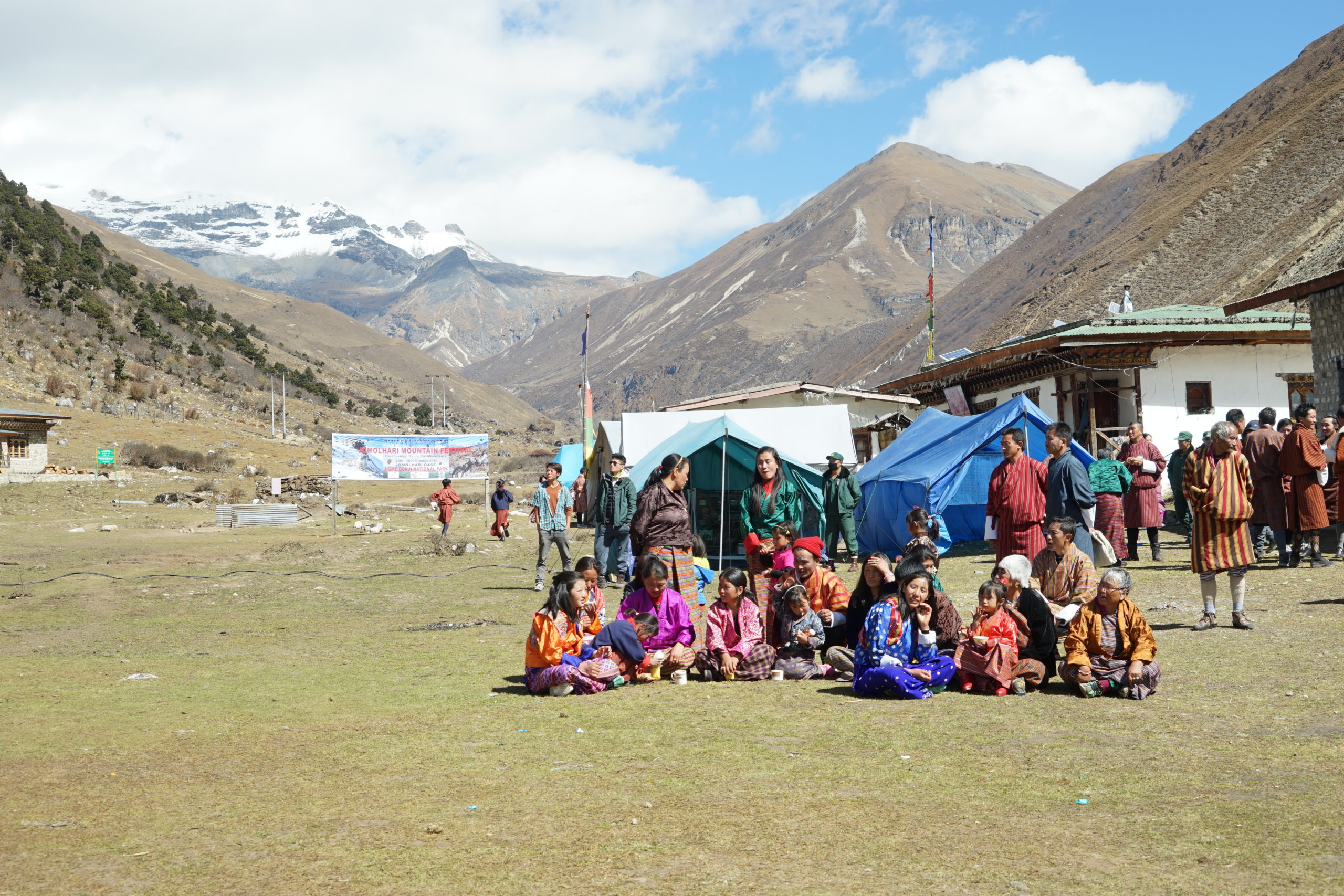
The Jomolhari Mountain region has some of the highest snow leopard activity in Bhutan and is a hotbed for snow leopard and its prey, the blue sheep. The residents of this region are primarily yak herders, as the area is mostly above the treeline. While yak predation is prevalent in the area, the herders have generally been tolerant of some level of predation all along.  However, public attitudes and perception toward snow leopards are fast changing.

Snow Leopard Conservation Project

The Jomolhari Snow Leopard Conservation Project is an integrated approach to conserve an important snow leopard region in Bhutan. We believe that bringing benefits from conservation to local communities will encourage resident communities to actively participate in snow leopard conservation, which in turn can only succeed with their support. Yak-herding communities will benefit from improved health care, livestock husbandry, education services, and income generation from tourism and related initiatives; snow leopards will benefit from protection by the local communities. It is a win-win situation.

Supporting Mountain Communities

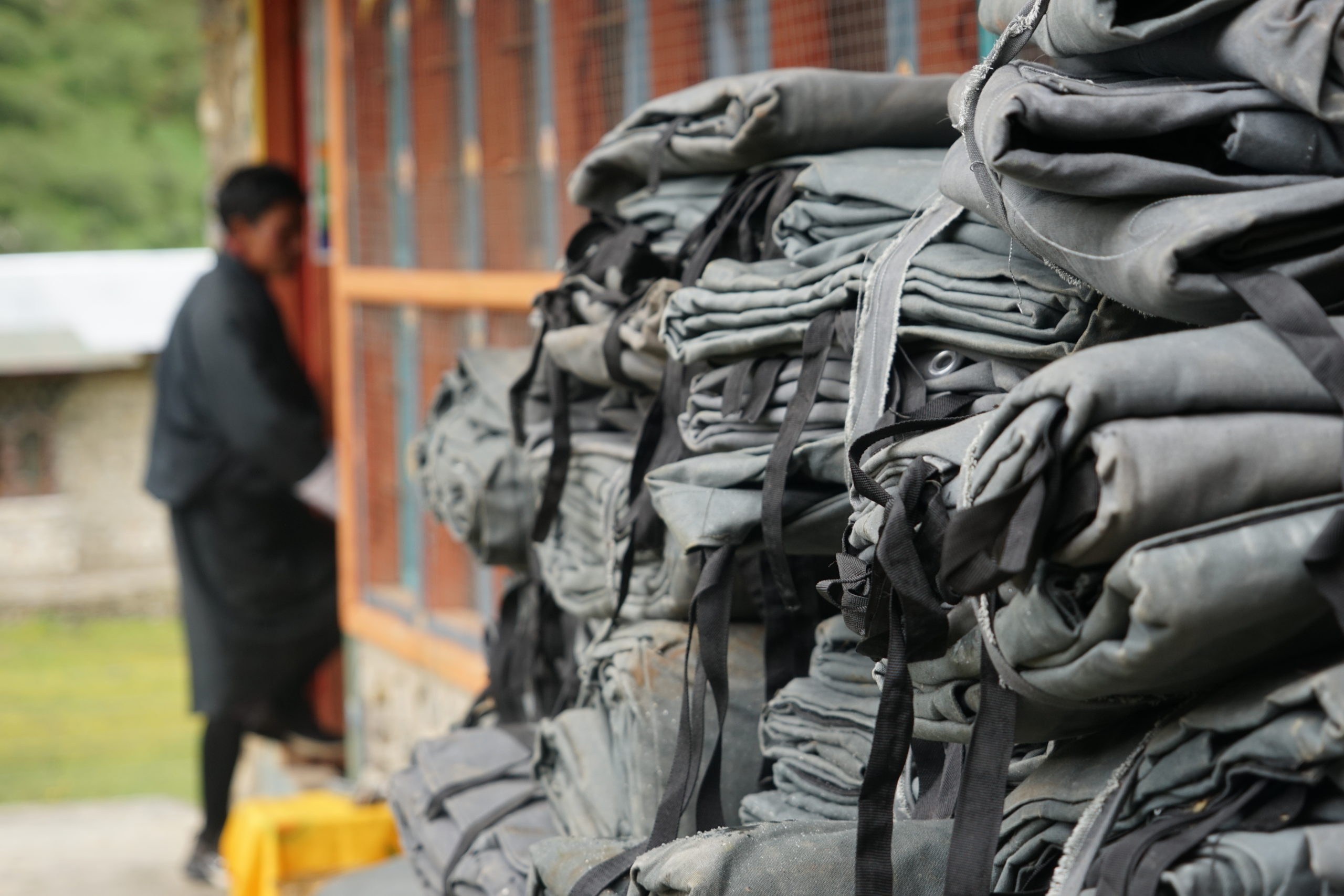
Traditionally, herding families in northwest Bhutan used yak-hair tents (Bja) while moving with their animals, but from the late 1990s these were replaced by colorful plastic tarps. Although light and easy to carry, the tarps were unattractive, tore easily, littered the mountains, offered poor protection from cold and wind, and trapped heavy smoke inside. To improve living conditions, the Bhutan Foundation and the Livestock Extension Officer in Soe scaled up a better tent design from an earlier GEF project, providing all herding families with larger, durable, insulated tents supported by foldable metal poles and fitted with smoke outlets. These tents reduce litter and make herders’ camps more comfortable, while the next goal is to revive local yak-hair weaving for the outer tent covering to restore a more natural look.

School Among Snow Leopards

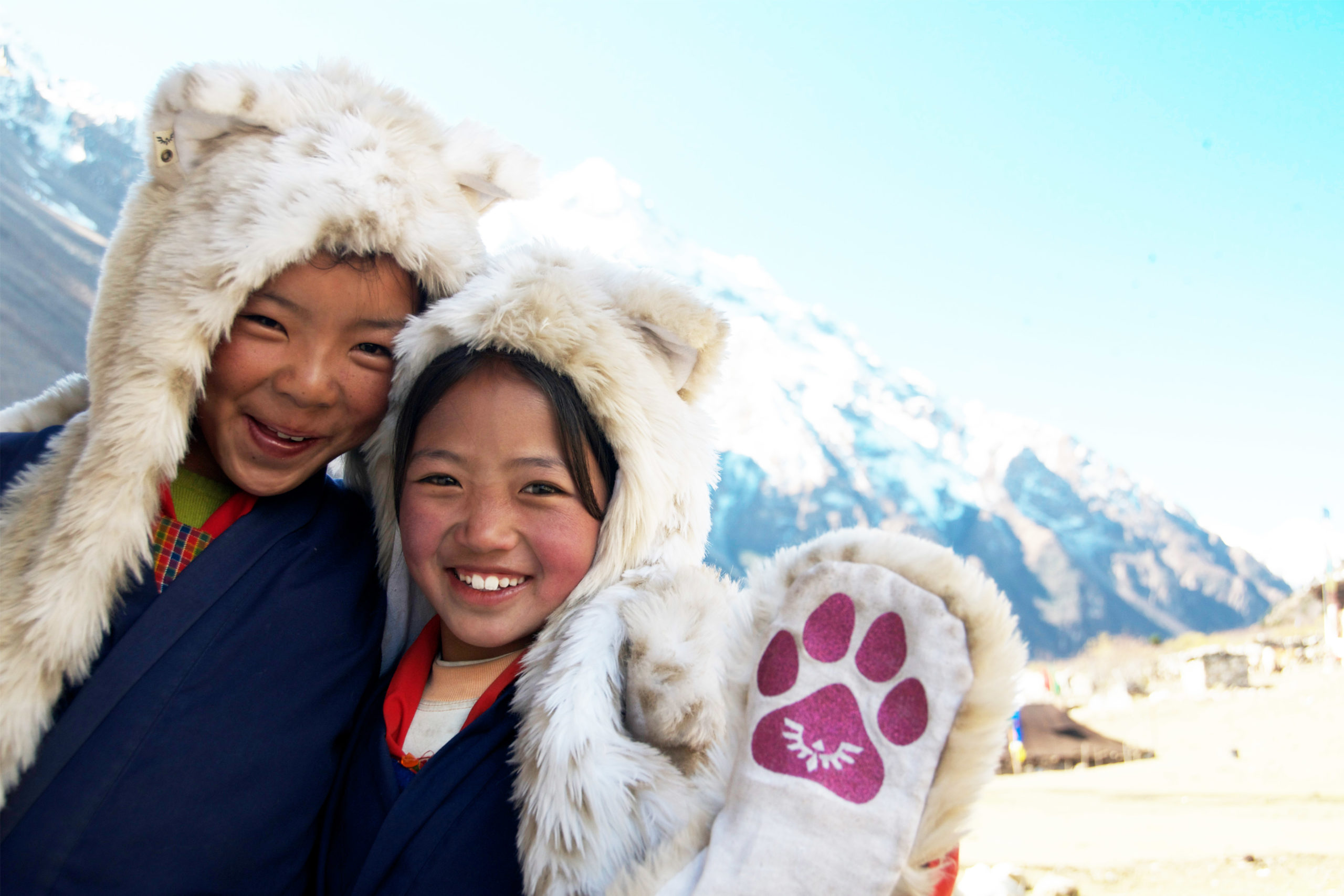
Despite Bhutan’s remarkable progress toward universal primary education, geography and harsh weather still limit school attendance and access to learning resources in some remote regions. Through the School Among Snow Leopards initiative, part of the Jomolhari Snow Leopard Conservation Program, the Bhutan Foundation is helping address these challenges. Highland schools often close early due to extreme cold and lack essential teaching materials, leaving students to learn in dark, cold classrooms. The program aims to improve educational opportunities while promoting conservation, community development, and sustainable livelihoods, empowering the children of Soe to thrive both in school and as future stewards of their environment.

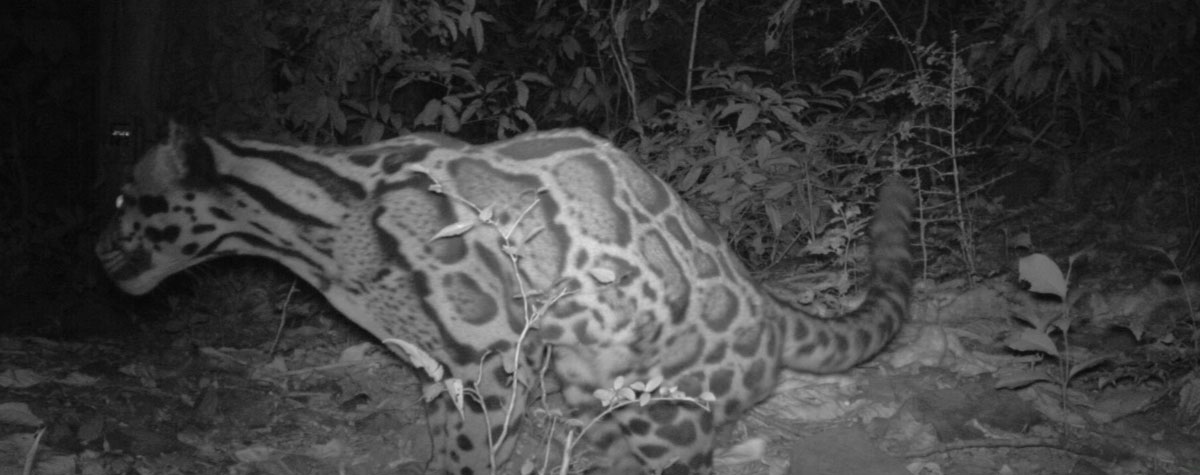
BHUTAN IS THE ONLY PLACE IN THE WORLD WHERE SNOW LEOPARDS AND TIGERS CAN BE FOUND IN THE SAME PLACE

THE JOMOLHARI AREA IS ONE OF THE MOST SCENIC TREKKING DESTINATIONS IN BHUTAN AND FORMS PART OF THE FAMED SNOWMAN TREK

0
Improved tents supplied to nomads in Jomolhari region
0
Snow Leopard Festivals Supported
0
Snow leopard conservation groups formed
0
Snow leopards counted in Bhutan in 2023

Did you Know?

Fewer than 6000 Snow Leopards exist in the wild today

Snow Leopards are found in 12 countries in Asia

Our Partners

The Jomolhari Snow Leopard Conservation Program is implemented by the Jigme Dorji National Park and the communities of Yutoed, Yaksa, and Nubri, in partnership with the Snow Leopard Conservancy, the Faculty of Nursing and Public Health of the Khesar Gyalpo University of Medical Sciences, and the Department of Livestock Services. Local agencies involved in the project include the Basic Health Unit, Livestock Extension Office, and the Jomolhari Community Primary School in Dangochong.

Photos from the Field

How You Can Help

Snow leopard conservation in Bhutan engages local yak herders through improved healthcare, education, tourism, livestock management, and livelihood opportunities, ensuring communities benefit while protecting the vital Jomolhari Mountain Landscape.

News and Stories

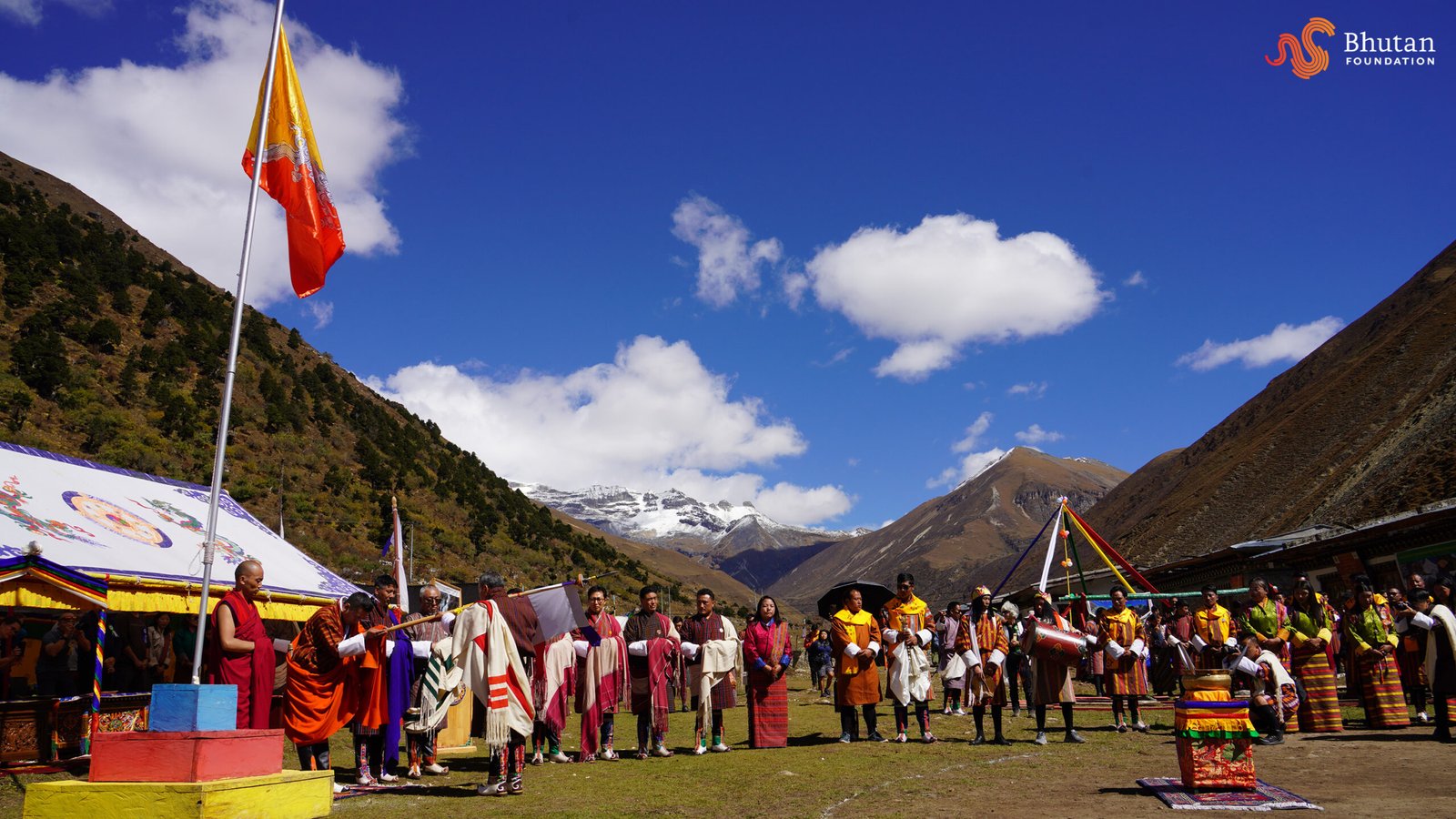
The 11th Jomolhari Mountain Festival Celebrates Culture and Conservation

The 11th Jomolhari Mountain Festival Celebrates Culture and Conservation

Amidst the breathtaking landscapes of Dangochang, at the base of the majestic Jomolhari, communities…
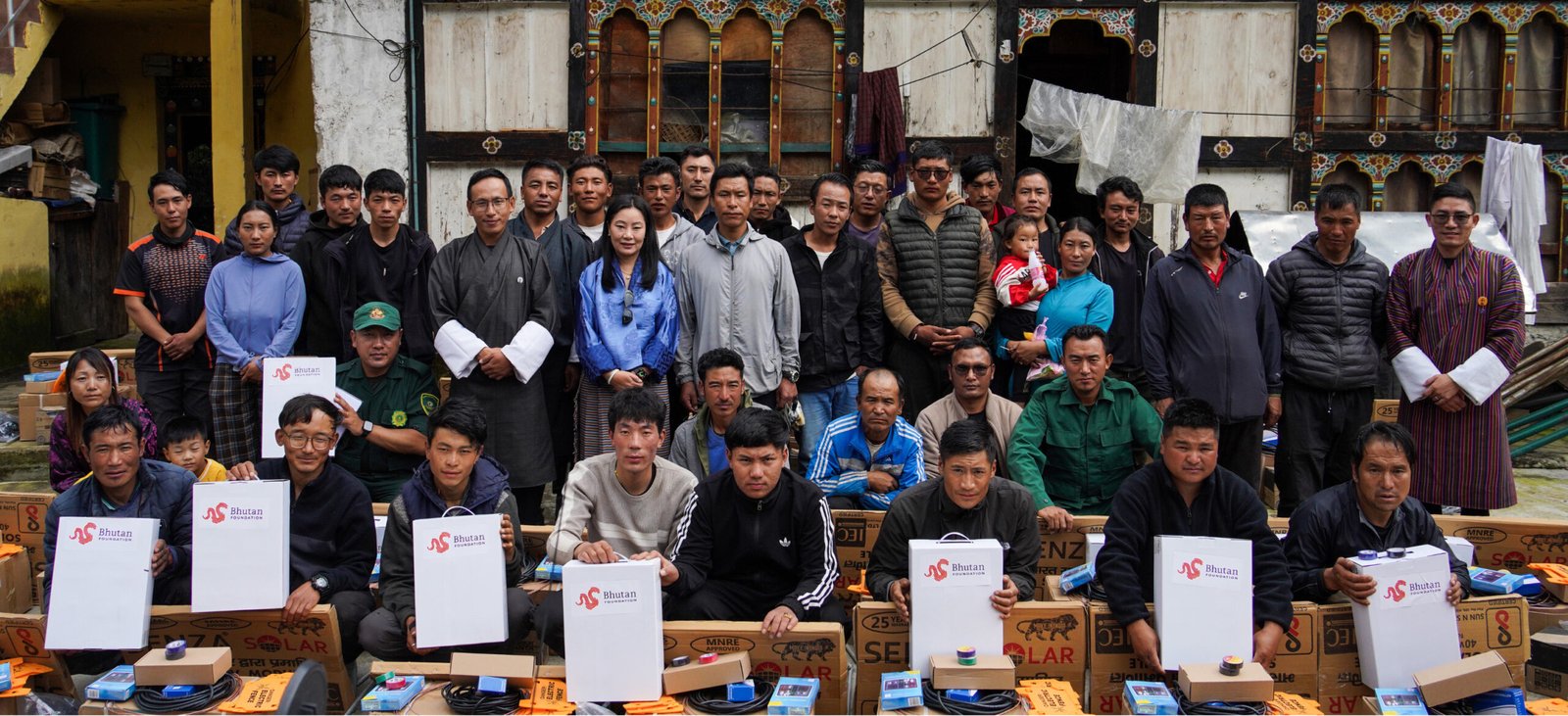
Living with the Snow Leopard: Supporting Highland Communities and Protecting Bhutan’s Alpine Biodiversity

Living with the Snow Leopard: Supporting Highland Communities and Protecting Bhutan’s Alpine Biodiversity

In the remote northern alpine ecosystems of Bhutan, the highland communities of Soe and…
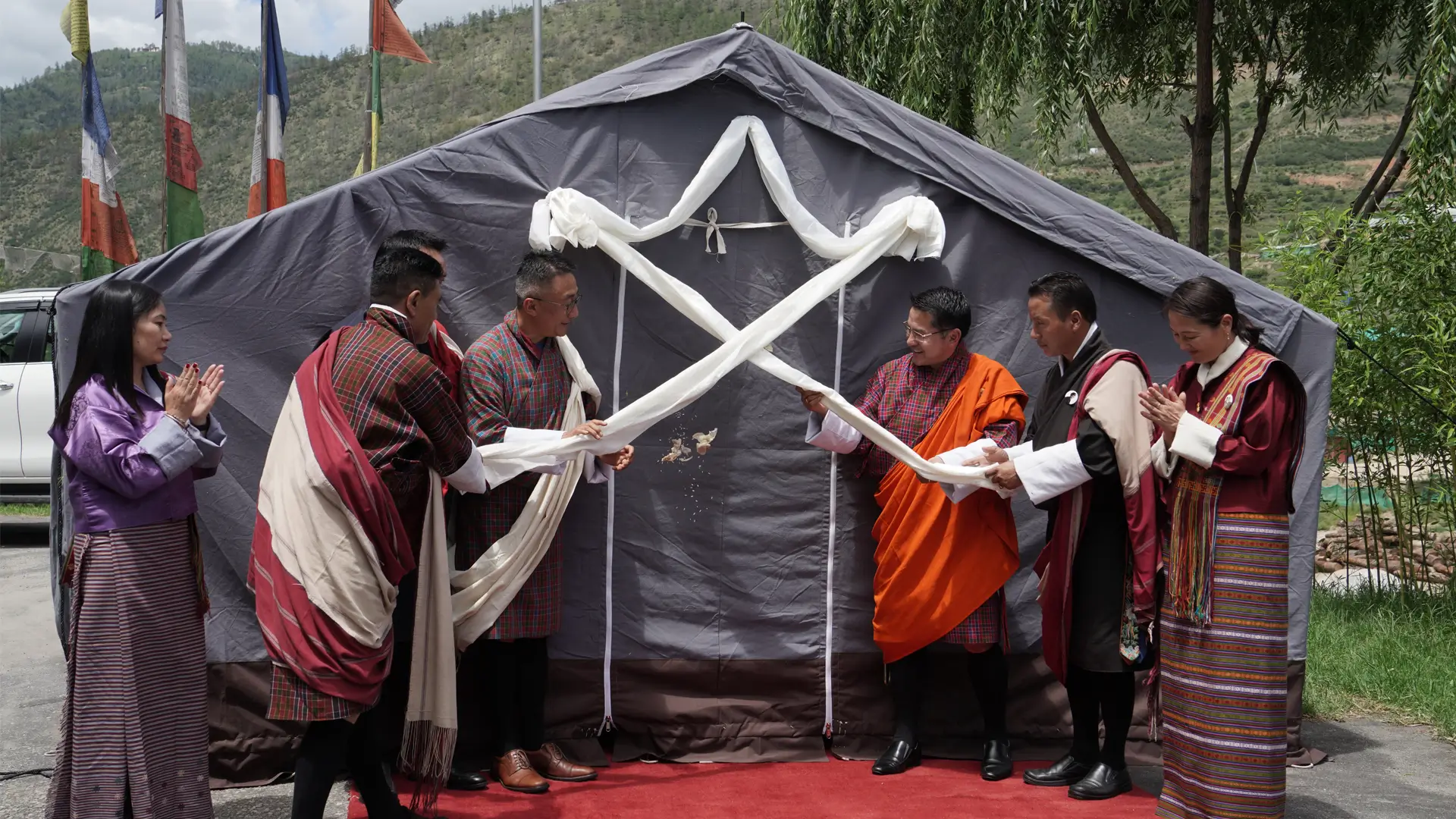
Supporting Semi-Nomadic Communities and Snow Leopard Conservation in the Jomolhari Landscape

Supporting Semi-Nomadic Communities and Snow Leopard Conservation in the Jomolhari Landscape

The Jomolhari Landscape, renowned for its charismatic snow leopards and their prey, is also…
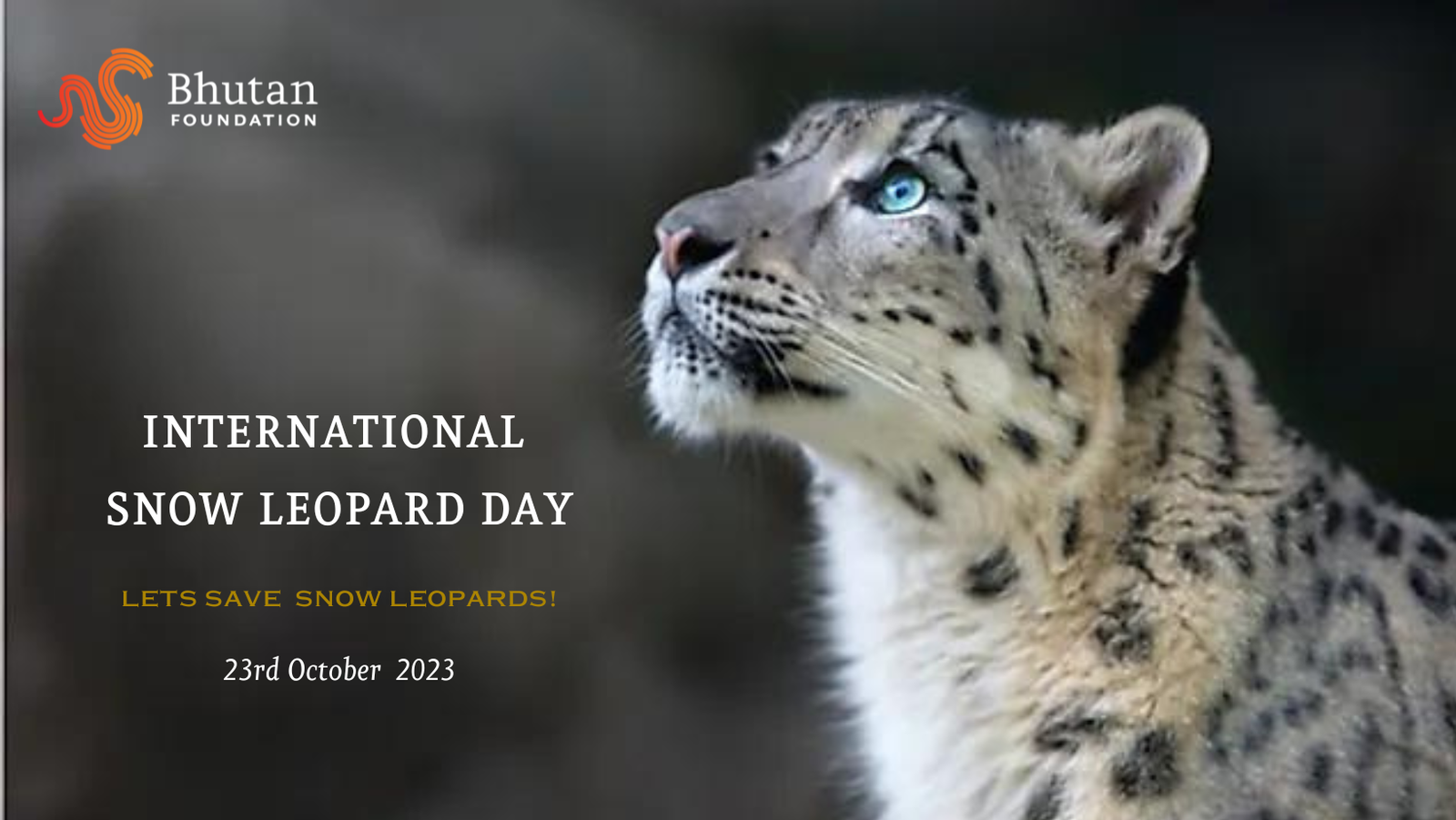
International Snow Leopard Day

International Snow Leopard Day

Each year October 23 is remarked as International Snow Leopard Day, this day centers…
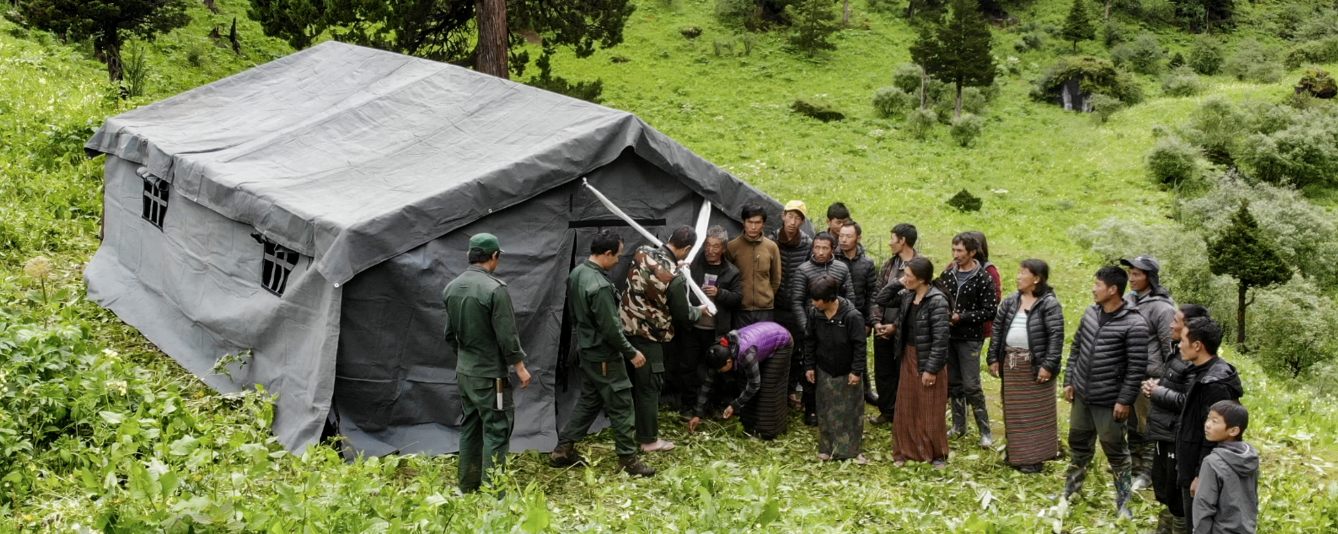
Engaging Communities to Conserve Snow Leopards

Engaging Communities to Conserve Snow Leopards

Bhutan, known for its pristine forests and biodiversity, is home to the elusive snow…
Help Build a Stronger Bhutan

Every gift creates lasting change.

Your support will help:

Conserving Bhutan's rich biodiversity and pristine landscapes.

Creating opportunities for children and young people to succeed.

Improving access to quality healthcare and essential services.

Protecting Bhutan's traditions, heritage, and identity.

Other Ways to Give

Make a Wire Transfer

Please contact Ms. Pemma Lhazin at +1-202-609-7363 or pemma.lhazin@bhutanfound.org

Make a Stock Gift

Please contact Ms. Pemma Lhazin at +1-202-609-7363 or pemma.lhazin@bhutanfound.org

Mail a Check

The Bhutan Foundation
1050 Connecticut Ave NW
#66013
Washington, DC 20036

A Gift in Your Will:

There are several ways to make a bequest to the Bhutan Foundation through your will or other estate plans: a residual bequest, a percentage bequest, a specific bequest, or a contingent bequest. Whichever type of bequest you choose, please use the following language:

“I give, devise, and bequeath to the Bhutan Foundation, Inc. (“Foundation”) (EIN: 13-3376290), an Internal Revenue Code section 501(c)(3) organization organized in the State of Delaware, or its lawful successor, the sum of $ _____ [or a percentage of my estate] to be used exclusively for purposes of promoting the Foundation’s charitable mission (the “Purpose”).”

Tax ID Number: 13-3376290

The Bhutan Foundation is a 501(c)(3) registered charitable organization in the United States. Your contribution is tax-deductible to the extent allowed by law.

↑