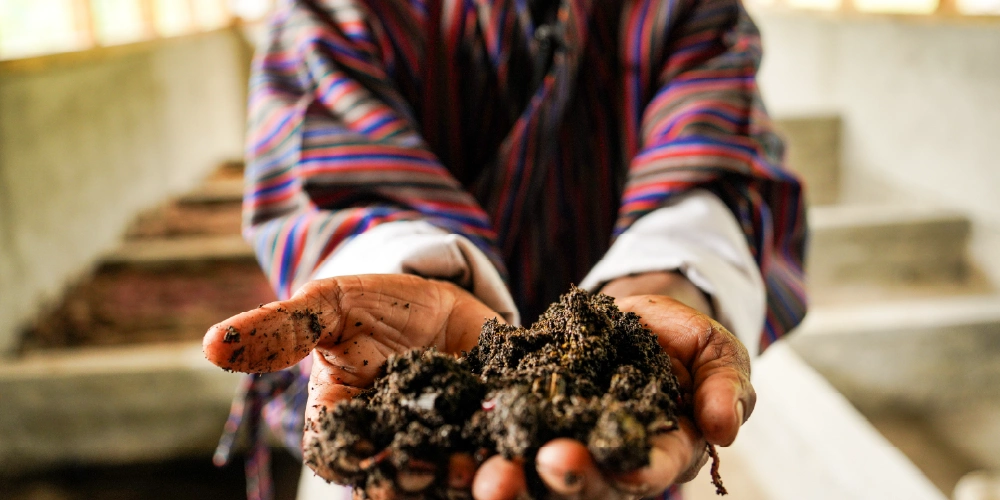
In May this year, a team from the Sakteng Wildlife Sanctuary and medical professionals from the Trashigang District Hospital and nearby Basic Health Units will lead a Nomad Health Camp in Merak and Sakteng. The Sakteng Wildlife Sanctuary will be leading such health camp for the first time. The health camp will provide basic health screening for health-related issues and create awareness on environment hazards and its effects on human health.
Sakteng Wildlife Sanctuary (SWS) is one of the 10 protected areas declared by the Royal Government of Bhutan under the farsighted leadership of His Majesty the fourth Druk Gyalpo Jigme Singye Wangchuck. With an assemblage of rich ecosystem diversity and distinctive culture, it is home to some of the most rare, threatened wild flora and fauna species. The Sanctuary is adorned with a diverse ecosystem ranging from warm broadleaved forests to alpine meadows.
Located in easternmost part of the country, it has an area of 740.60 km2 encompassing both the Merak and Sakteng Gewogs under Trashigang Dzongkhag, and a part of Lauri Gewog under Samdrup Jongkhar Dzongkhag. The Sanctuary also shares the border with the Indian State of Arunachal Pradesh in the East and North. For promoting a healthy faunal population, the Sanctuary is well connected by a biological corridor to Jomotshangkha Wildlife Sanctuary forming a part of the Bhutan Biological Corridor Complex (B2C2).
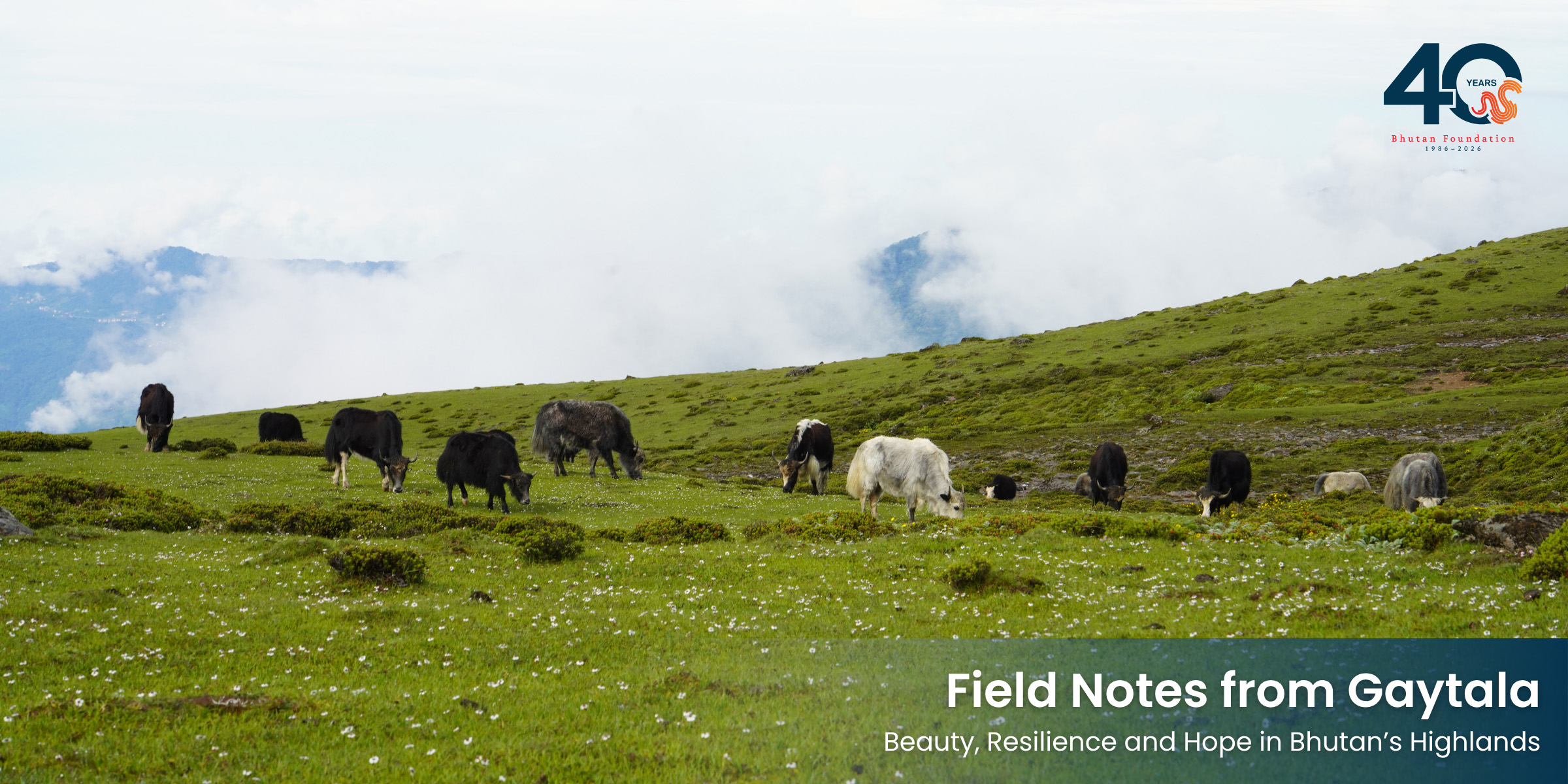
Numerous settlements and communities residing right inside the National Parks and Wildlife Sanctuaries make the protected area systems exclusively unique from rest of the world. The nomadic communities of the Sakteng Wildlife Sanctuary are spread across high mountain pastures at altitudes over 13,000 feet where they remain for most of the year with their livestock. Approximately 5000 nomadic pastoralists live inside the Sanctuary of which 85% derive their livelihood entirely from yak herding and livestock rearing. This group of people migrates twice annually from mountains to lower areas in winter and vice versa in summer with their livestock.
Providing basic health care services to these nomadic communities is challenging due to difficult terrain and high altitudes in addition to the migration practices they follow. The nearest Basic Health Units are often a two to four day journey on foot. They also face increasing temperature due to climate change; deteriorating water quality (due to frequent flash floods), waste in water bodies, etc. The incidences of skin disease, bone disease, sexually transmitted infections etc. are quite common in nomadic populations and are likely to rise.
Extending such services to these nomadic communities is extremely vital to keep them healthy and potent. This group of people forms important conservation partners in the alpine ecosystem of frontier areas of the east. Furthermore, the proposed camp will garner conservation stewards from the nomadic communities.
The Bhutan Foundation is happy to support the first-ever Nomad Health Camp in Merak and Sakteng, Trashigang. The Sakteng Wildlife Sanctuary, Department of Forests and Parks Services will lead the health camp in partnership with the medical professionals of the Trashigang District Hospital and Basic Health Units at Merak and Sakteng. So far, we have led two nomad health camps in Jomolhari region and one in Bumthang.